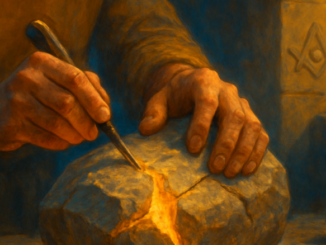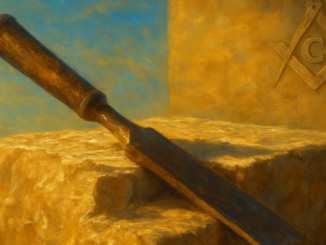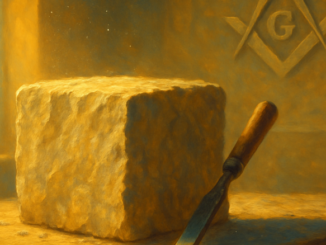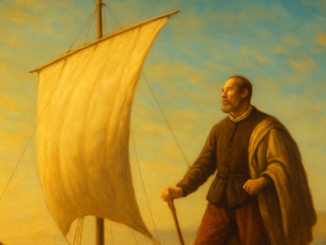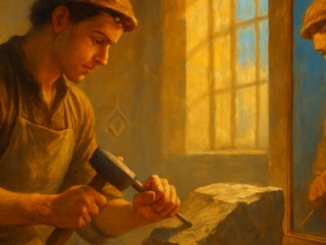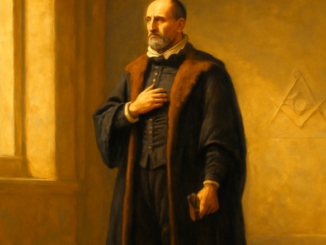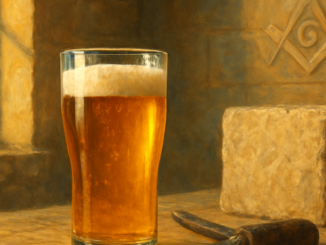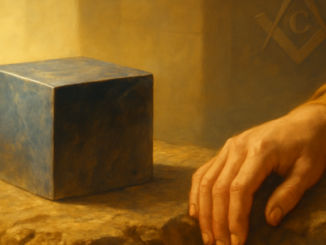
Stone carving tools on a rough ashlar symbolizing Masonic courage and growth
Michel de Montaigne – Freemasonry & Connection

Montaigne on Cowardice: Courage as a Masonic Virtue

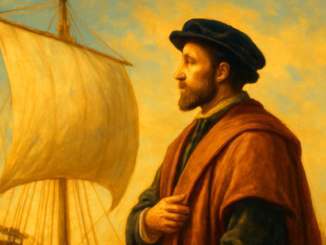
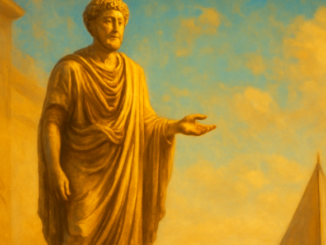
Imagine standing at a crossroads in life where the easy path beckons, but your conscience pulls you in the opposite direction. Michel de Montaigne explored this very tension in his fifteenth essay, which examines the punishment of cowardice. At first glance, it appears to be a military treatise, but look closer and it strikes at the heart of what it means to live a virtuous life. For Freemasons, this essay resonates with particular force — courage and personal accountability are pillars of the Craft. What Montaigne Teaches Us About Cowardice In his short but powerful essay, Michel de Montaigne wrestles with a provocative question: should cowardice on the battlefield be punished by death, or is the disgrace itself punishment enough? He points to the Roman practice of publicly humiliating cowards rather than executing them. Soldiers who fled from battle were forced to walk through the camp dressed in women’s clothing for days on end — a spectacle designed to shame rather than destroy. Montaigne argues that executing someone for cowardice is fundamentally paradoxical. You cannot punish a lack of courage by killing the person, because death eliminates any possibility of redemption or improvement. This is classic Montaigne: he avoids absolute […]

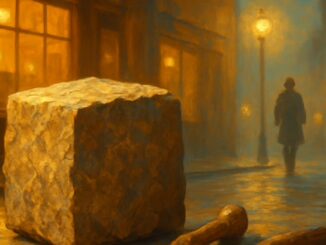
Rough ashlar stone symbolizing character building in Freemasonry
Personal Development & Leadership

Talent and Character: Masonic Lessons on True Greatness

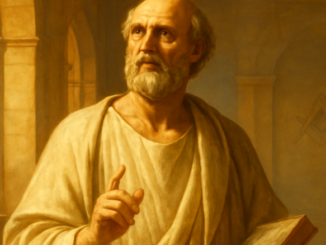
When a major European football club expresses interest in a young talent, a familiar question surfaces: is this player ready for the next step? Rarely is the answer found in technical skill alone. It comes down to character — to who someone truly is when the pressure mounts and temptation grows. The recent interest of a Champions League–winning club in a promising young attacker from Amsterdam invites a deeper, philosophical exploration of a question Freemasons have grappled with for centuries: what makes a person truly valuable, and how does adversity shape who we become? The Paradox of Talent and Character Here we encounter a paradox that sits at the heart of both the sporting world and Freemasonry. Talent is a gift — something bestowed upon a person without any effort on their part. Character, on the other hand, is a structure built stone by stone through choices, setbacks, and self-reflection. The question is not whether talent matters, but whether talent without character can ever lead to true greatness. The ancient Greeks understood this well. Aristotle drew a careful distinction between potentiality and actualization. A person may possess the innate capacity for excellence, but without the right formation, that capacity remains […]

Rough ashlar stone symbolizing self-improvement through compassion in Freemasonry
Michel de Montaigne – Content & Summary

Montaigne on Cruelty: Why Compassion Makes Us Truly Human

Imagine witnessing needless suffering inflicted by someone who takes pleasure in it. You feel an instinctive revulsion — perhaps even physical disgust. Michel de Montaigne knew that feeling intimately. In his essay “Of Cruelty,” he explores why cruelty repels him so deeply and what this reveals about our shared human nature. More than four centuries later, his reflections still cut to the heart of fundamental questions about compassion, character, and how we treat other living beings — questions that resonate powerfully within the traditions of Freemasonry. Cruelty as the Deepest Vice For Montaigne, cruelty is not simply one vice among many — it is the worst of them all. While other failings spring from weakness, ignorance, or uncontrolled passion, cruelty stems from a deliberate choice to inflict suffering with no purpose beyond the suffering itself. It represents a perversion of human nature that filled Montaigne with genuine horror. Montaigne writes with striking candor about his own sensitivity. He cannot bear to watch a chicken having its neck wrung, and the death cry of a hare caught by his hounds causes him genuine distress. But this is not weakness, he argues. It is the sign of a sensitive soul that recognizes […]

Alcohol-free beer glass symbolizing conscious choices and Masonic character
Personal Development & Leadership

Alcohol-Free Beer and Character: What Conscious Choices Say

Picture the scene: you’re standing at the bar during a party and you order an alcohol-free beer. There might be a flicker of hesitation, a brief moment of self-consciousness. What will the others think? It’s a small gesture, but it touches on something much larger. The remarkable shift in drinking habits — with more and more people choosing alcohol-free alternatives — tells us something profound about how we shape our personality through the choices we make. A Quiet Revolution in the Glass You’ve probably noticed it yourself: the shelf space for alcohol-free beer keeps expanding while the traditional beer section shrinks. Breweries report declining sales for their alcoholic varieties, while their non-alcoholic versions break revenue records. This is more than a passing trend or a marketing gimmick. It’s a visible expression of shifting values — of people thinking more deliberately about what they consume and why. Maybe you regularly drink alcohol-free beer yourself, or you know someone who does. The reasons are as diverse as the people who make the choice: health, mental clarity, athletic performance, pregnancy, religious conviction, or simply wanting to wake up fresh the next morning. What all these reasons share is that they emerge from a […]

Ancient stone tools and rough ashlar symbolizing Freemasonry's journey toward justice
Symbolism & Rituals

Violence and Justice: A Historic Look at Human Darkness

In 1762, Cesare Beccaria published his groundbreaking treatise on crime and punishment, arguing for a more just approach to violence and retribution. When we are confronted today with atrocities that defy our imagination, a fundamental question arises: how should society respond to such evil? Freemasonry, with its centuries-old emphasis on moral improvement and justice, offers a historical framework for reflecting on these profound questions. The Enlightenment Ideal of Justice The eighteenth century brought a fundamental shift in how Western civilization thought about crime and punishment. Philosophers like Voltaire and Montesquieu railed against arbitrary and cruel penalties. They believed that civilization was best served by a legal system that pursued rehabilitation rather than revenge. Beccaria’s work became a source of inspiration for reformers across Europe, including many Freemasons who debated the ideal society within the walls of their lodges. During this period, a new awareness emerged: extreme acts of violence were not merely crimes against an individual but offenses against the entire human community. The ritual work of Freemasonry reflected this understanding. The symbolic journey from darkness to light represented the possibility of moral transformation — even in the darkest of circumstances. The Rough Ashlar and the Shadow Side of Humanity […]

A rough ashlar stone beside a perfect cube symbolizing personal growth in Freemasonry
Personal Development & Leadership

When Big Plans Pause: Character in Times of Uncertainty

Imagine you’re about to take a major step in life. Everything is in place, the future stretches out clearly before you. And then, suddenly, everything grinds to a halt. An unexpected obstacle forces you into a standstill. This is exactly what recently happened to major media corporations when a multi-billion-dollar acquisition was paused due to legal complications. But what does such a moment of forced stillness actually reveal about who we are? And how do we handle uncertainty when our carefully laid plans are abruptly disrupted? The Test of Waiting When large organizations are forced to put their ambitions on hold, something fascinating happens beneath the surface. Behind the press releases and legal proceedings lies a deeper human drama. Executives, employees, and investors are all confronted with their own reactions to uncertainty. And it is precisely in those reactions that something essential about personality reveals itself. You may recognize this from your own life. The moment a job application is put on hold, a move is postponed, or a relationship enters uncertain waters. In these moments, your true character surfaces — not who you are when everything is going well, but who you are when the ground beneath your feet […]

A gavel resting on a rough ashlar stone symbolizing Masonic decision-making
Personal Development & Leadership

What Eurovision Teaches Us About Character and Decision-Making

A national broadcaster faces a momentous choice: whether or not to participate in an international music competition that has stirred public debate for years. It’s a question that goes far beyond programming schedules or budgets. What does the act of deciding actually reveal about who we are? And how do such pivotal moments shape our character — as individuals or as organizations? Let’s examine this through the lens of an ancient tradition that has reflected on character formation for centuries. Why Is Decision-Making So Difficult? Ask yourself: when was the last time you postponed a decision — not out of laziness, but because the choice itself stirred something deep within you? The Dutch public broadcaster deliberating over its participation in the Eurovision Song Contest is a compelling illustration. It’s not merely a question of logistics or funding. It’s about values, identity, and the fundamental question: who do we want to be on the world stage? In Freemasonry, this moment of deliberate, weighed choosing is recognized as a fundamental element of personal growth. The rough ashlar — that symbol of the unpolished self — is not shaped into a perfect cube with a single blow. It requires reflection, careful consideration, and […]

Rough ashlar stone and chisel symbolizing Masonic character building
Personal Development & Leadership

Violence in Public Spaces: How to Build Character in Chaos

A pleasant evening out can turn into a nightmare in an instant. Recent reports of violent assaults at public venues remind us that danger can strike anywhere — even in places where we feel completely safe. These events shake us to the core and raise uncomfortable questions: How do you respond when life suddenly turns violent? What does that moment reveal about who you truly are? In Freemasonry, the shaping of character plays a central role — especially for those moments when everything falls apart. This article offers practical tools to strengthen your inner compass. The Unexpected Moment as a Mirror Nobody plans to become a witness or victim of violence. Yet it happens — on the street, in a bar, in places where we feel secure. It is precisely in these unexpected moments that our true character surfaces. Not the person we like to think we are, but the person we actually become when there is no time to think. In Freemasonry, this principle is expressed through the symbol of the “rough ashlar.” Every person begins as an unworked block of stone — full of potential, but also full of imperfections. Life itself, with all its shocks and challenges, […]

Rough ashlar stone symbolizing character development in Freemasonry
Personal Development & Leadership

Showing True Character: What Freemasons Learn About Authenticity

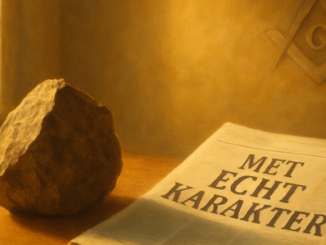
A brother sits at his kitchen table the morning before his advancement to a higher degree. His eye catches an advertisement bearing the words “with true character.” He pauses. Those two simple words cut straight to the question he has been wrestling with for months: who am I, really, beneath all the layers I present to the world? In professional sports, public disputes sometimes play out through unexpected channels. A footballer takes out a full-page newspaper ad — not about statistics or trophies, but about character. Who are you when the pressure is at its peak? That question resonates deeply within Freemasonry, where the development of personality and character has been the guiding thread for centuries. The Rough Stone as Mirror At the heart of Masonic symbolism stands the rough, unworked ashlar. It represents the human being as they arrive: full of potential, but also full of imperfections, blind spots, and ingrained patterns. The work on this stone is the work on yourself — not to become a perfect human being, because that does not exist, but to become a more authentic one. Someone whose exterior more closely reflects what lives within. Character, in this context, is not a fixed […]

Solitary quarantine room symbolizing Masonic Chamber of Reflection
Personal Development & Leadership

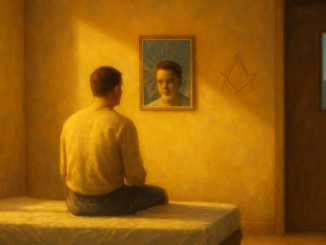
Quarantine as Mirror: What Isolation Reveals About Character

A closed door. White walls. Silence. When five people are placed in quarantine after contact with an infected physician, something unexpected emerges — not a medical crisis, but a laboratory of the human soul. The virus itself is not the most revealing element. What truly comes to light is what happens when a person is thrown back upon themselves. The quarantine room becomes an unintended temple of self-knowledge, where personality shows itself without disguise to anyone brave enough to look. The Enclosed Space as Symbol A quarantine room is more than a medical necessity. It is a space stripped of distraction, free from the social masks we wear every day. In Freemasonry, we know the Chamber of Reflection — the dark room where the candidate dwells before initiation. There, in silence and darkness, he is confronted with himself. Quarantine carries the same symbolic weight: a separation that does not punish, but reveals. When the outside world falls away, only the inner world remains. The isolated person can no longer escape into busyness, into work, into shallow social interaction. He must dwell among his own thoughts, face his fears, and come to know his hopes. This is not an easy journey. […]