Explore Masonic Philosophy through thought-provoking articles on brotherhood, spiritual growth, symbolism, and the deeper meaning of Freemasonry’s teachings.
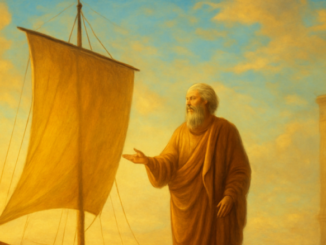
Plato – Content & Summary
Plato’s Timaeus: The Divine Craftsman and the Universe
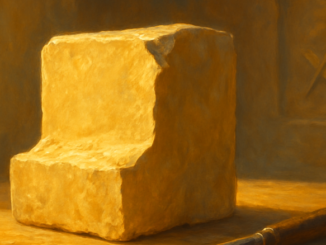
Imagine standing in your workshop, tools in hand, ready to create something. Not just anything — the most beautiful, most harmonious object you can conceive. This image lies at the heart of Plato’s Timaeus, a dialogue in which the philosopher describes how a divine craftsman shaped the universe. Written around 360 BC, this remarkable text offers surprisingly practical insights for anyone who builds — whether that means constructing something tangible or shaping one’s own character. The Central Idea: The Universe as Conscious Design In the Timaeus, Plato has the philosopher of the same name recount the origin of the cosmos. The central figure is the Demiurge — a word that literally means ‘craftsman’ or ‘maker.’ This divine creator looked upon the eternal, perfect Forms and used them as a blueprint to shape the physical world. The universe, then, is no accident. It is the result of purposeful craftsmanship. This sets the Timaeus apart from many other creation stories. The Demiurge does not create out of nothing. Instead, he orders pre-existing, chaotic matter according to rational principles. He works like an architect following a ground plan, or like a sculptor who already perceives the hidden form within a block of rough […]