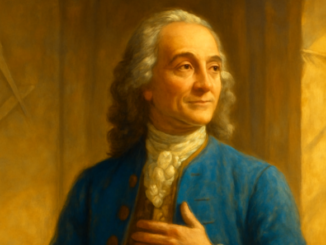
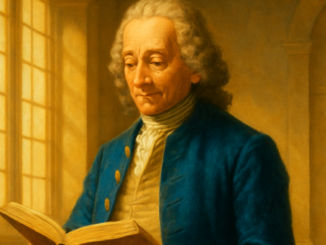
Explore Voltaire’s philosophical background and his influence on Enlightenment thought, including connections to Freemasonry and building a better world.
Symbolism & Rituals
Voltaire’s Prayer for Tolerance: Its Philosophical Roots
Imagine reading a text nearly three centuries old, yet feeling how strikingly relevant every word remains. Voltaire’s prayer for tolerance, found in his Treatise on Tolerance, still resonates deeply. But where did these ideas come from? Which philosophers whispered in his ear, and which intellectual currents nourished the soil from which this extraordinary plea for human decency grew? In this article, we trace the philosophical roots of a text that distills the entire Enlightenment into a handful of sentences. The Legacy of Stoicism When Voltaire writes about universal human brotherhood and the primacy of inner virtue over outward forms, we hear unmistakable echoes of Stoic philosophy. Thinkers such as Marcus Aurelius, Seneca, and Epictetus emphasized that all human beings belong to a single cosmic community. The Stoics believed that reason connects us, regardless of origin or religious conviction. This idea — that we are all citizens of the same world — forms the foundation of Voltaire’s call to bear with one another despite our differences. Seneca wrote extensively in his letters about the necessity of clemency and the mastery of anger. He regarded wrath as a disease of the mind that disrupts our rational faculties. Voltaire, who knew Seneca’s work […]