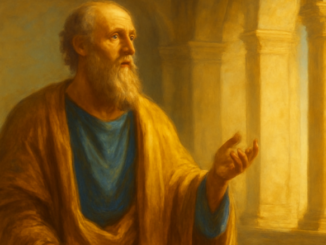
Explore Plato’s Dialogues and discover profound philosophical insights that have influenced Masonic thought and the pursuit of wisdom through self-knowledge and truth.
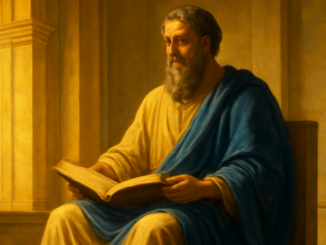
Plato – Philosophical Background
Plato’s Republic III: The Philosophical Roots of Education
When Plato unfolds his vision of education in the third book of The Republic, he touches on questions that had already been asked for centuries before him — and that continue to resonate today in traditions devoted to the shaping of character. How do we cultivate virtue in a human being? What stories do we tell, what music do we play, and why? For the Freemason, these are far from abstract questions. The lodge itself is a space of formation, where ritual and symbol serve the very pedagogical function Plato envisioned. This article explores the philosophical sources Plato drew upon and places his educational ideal alongside the formative practice of Freemasonry. The Legacy of the Early Greek Thinkers Plato’s educational philosophy in Republic III did not emerge in a vacuum. He built upon a rich tradition of Greek paideia — the ideal of comprehensive human formation that had already taken root in the works of Homer and Hesiod. For Homer, the hero Achilles was the embodiment of aretē: virtue understood as a fusion of courage, honor, and physical excellence. Hesiod, in his Works and Days, added industriousness and justice to the equation. Plato knew these texts intimately, but he took […]