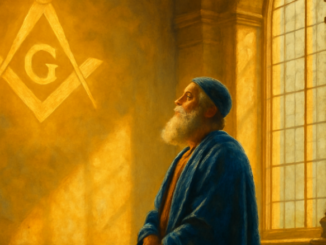
Masonic square and compasses symbol with the U.S. Capitol in the background
Symbolism & Rituals

The Lost Symbol Fact-Check: Masonic Symbols Explained

You’ve read the book — or at least heard about it. You remember the secret chambers, the mysterious inscriptions, and the dramatic revelations about Masonic symbols hidden throughout Washington D.C. But how much of what Dan Brown describes in The Lost Symbol is actually based on fact? And what can you, as a reader or a genuine seeker of truth, take away from it all? In this fact-check, we hold the book’s most important claims up against the historical record. What Dan Brown Claims About Masonic Symbols In The Lost Symbol, Dan Brown paints a picture of Washington D.C. as a city drenched in Masonic symbolism. The Capitol, the Washington Monument, even the street layout — everything, he suggests, was deliberately designed by Freemasons to carry a deeper, hidden message. The novel implies that these symbols point to ancient mysteries and secret knowledge passed down through the Brotherhood for centuries. It makes for a gripping story, but it raises an essential question: how much of this is actually true? What’s True: Freemasons and the Founding of Washington D.C. It is historical fact that several of America’s Founding Fathers were Freemasons. George Washington was initiated into the Craft at the lodge […]
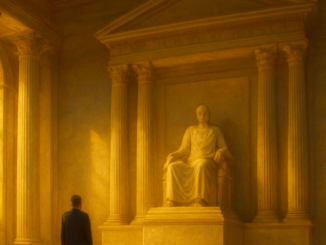
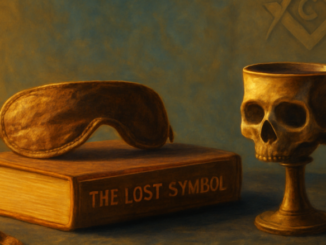
The House of the Temple in Washington D.C., headquarters of the Scottish Rite
Symbolism & Rituals

The Temple of Washington: Fact and Fiction in The Lost Symbol

In Dan Brown’s thriller The Lost Symbol, a mysterious building in Washington, D.C. takes center stage: the so-called Temple of Washington. As protagonist Robert Langdon unravels secrets allegedly hidden within the architecture of the American capital, readers are left wondering — how much of what Brown writes is actually true? And where does the fiction begin? In this fact-check, we explore the real history behind the building, its Masonic connections, and the symbolic claims made in the novel. The House of the Temple: A Very Real Building Let’s start with the most concrete fact: the building Dan Brown calls the Temple of Washington in The Lost Symbol actually exists. Located at 1733 16th Street NW in Washington, D.C., it is officially known as the House of the Temple. This imposing structure has served since 1915 as the headquarters of the Supreme Council of the Scottish Rite, Southern Jurisdiction — one of the oldest Masonic organizations in the United States. Architect John Russell Pope designed the building in a neoclassical style, drawing inspiration from the Mausoleum at Halicarnassus, one of the Seven Wonders of the Ancient World. This is well documented and confirmed by architectural historians. The building features thirteen columns […]

Vrijmetselarij - The Lost Symbol: Are the Masonic Rituals Accurate?
Symbolism & Rituals

The Lost Symbol: Are the Masonic Rituals Accurate?

When Dan Brown published The Lost Symbol in 2009, it unleashed yet another wave of public curiosity about Freemasonry. Millions of readers found themselves wondering: are those mysterious rituals real? Are candidates actually blindfolded? Do Freemasons really drink wine from human skulls? It’s time for an honest fact-check, drawing on historical sources and the actual practices of lodges around the world. What Does Dan Brown Actually Describe? In The Lost Symbol, Dan Brown paints a dramatic picture of Freemasonry. The opening scene takes place in a temple room where an initiation ritual is underway. The candidate is blindfolded, wears specific ceremonial attire, and swears an oath. Later in the novel, higher degrees come into play, each with increasingly theatrical elements. But how much of this is actually rooted in real Masonic practice? Is the Blindfold Historically Accurate? Yes — this one checks out. The use of a blindfold during the initiation of an Entered Apprentice is a centuries-old tradition practiced in virtually every recognized lodge worldwide. Known in Masonic terminology as the “hoodwink,” the blindfold symbolizes the state of darkness in which the candidate exists before receiving light. This ritual element dates back to the eighteenth century and is referenced […]