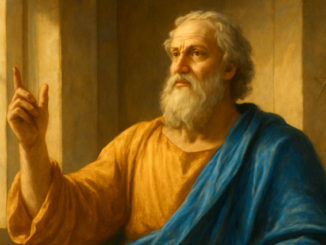
Plato’s Timaeus and Freemasonry: The Creator as Architect
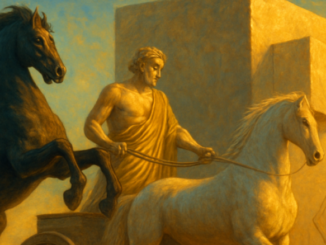
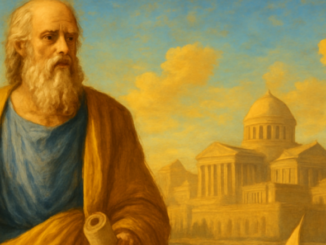
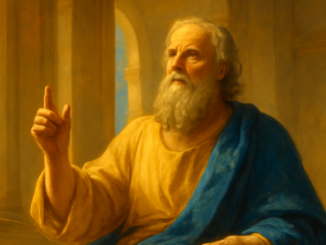
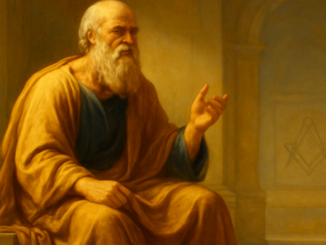
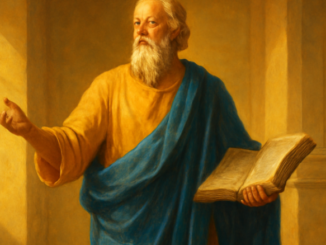
When Plato describes the creation of the universe in his dialogue Timaeus, he introduces a figure that would sound remarkably familiar to Freemasons centuries later: the demiurge — a divine craftsman who brings order out of chaos. Is this mere coincidence, or does Plato touch upon a universal truth that resonates deeply within the Lodge? This essay explores the striking parallels between Plato’s cosmology and the Masonic concept of the Great Architect of the Universe. The Paradox of the Creative Craftsman A fascinating tension lies at the heart of Plato’s creation narrative. His demiurge does not create from nothing. Instead, he works with pre-existing matter — much like a sculptor works with marble or a mason works with stone. The demiurge looks toward the eternal Forms, the Ideas, and impresses them upon the resistant substance of the material world. He is not an omnipotent god in the later monotheistic sense, but a skilled craftsman doing his best with the materials at hand. This image immediately raises a profound question: is creation not divine, but artisanal? And if so, what does this tell us about our own creative capacities as human beings? Plato seems to suggest that the highest form of […]