Explore the intersection of Freemasonry and philosophy through essays on wisdom, self-knowledge, and moral development in esoteric traditions.
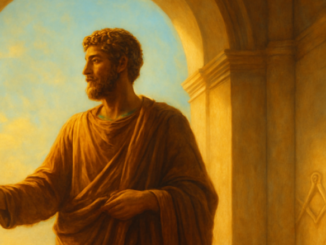
Marcus Aurelius – Content & Summary
Marcus Aurelius Book VIII: On Judgment and Prejudice
A stone dropped into water sinks to the bottom. That is its nature. But what is the nature of human judgment? Marcus Aurelius, Roman emperor and Stoic philosopher, devoted a significant portion of his eighth book to this very question. In his private writings — now known to us as the Meditations — he examines how our prejudices and snap judgments can hold us captive. This article explores the heart of Book VIII and reveals why mastering our judgment is the key to genuine freedom. The Central Insight of Book VIII Throughout Book VIII, Marcus Aurelius returns again and again to one fundamental truth: it is not events themselves, but our judgments about those events, that determine our suffering or our peace. He writes to himself as a reminder — a kind of inner compass meant to steer him away from the pitfalls of thoughtless reaction. The emperor understood that even the most powerful man in the world can be enslaved by his own prejudices if he fails to question his first impressions. The central theme is best described as the art of suspension — not the suspension of action, but the suspension of judgment. Marcus Aurelius invites us to […]