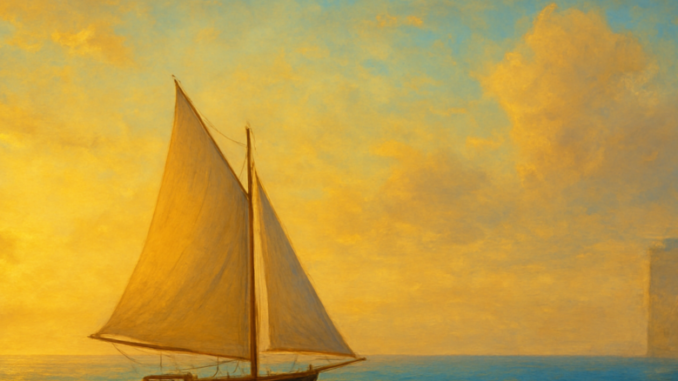
A thinking reed. With this single image, Blaise Pascal captured the human condition — insignificant amid the vastness of the universe, yet elevated by the capacity for thought. Voltaire read these words and felt compelled to respond. In his fifth philosophical letter, he enters into dialogue with a thinker who both fascinated and unsettled him. The result is a text that still invites profound reflection: is humanity truly as wretched as Pascal claimed?
The Heart of Pascal’s Thought
Blaise Pascal wrote his famous Pensées as groundwork for a defence of the Christian faith. At its centre lies his conviction that humanity without God is lost. He describes human nature as broken, torn between greatness and insignificance. We seek distractions so we need not feel the void within. We entertain ourselves to forget death. Pascal’s analysis is saturated with a deep pessimism about humanity’s capacity for happiness outside divine grace.
Voltaire acknowledges Pascal’s brilliance as both mathematician and prose stylist. At the same time, he resists Pascal’s bleak vision of human nature. In the fifth letter, he methodically dissects Pascal’s propositions and sets his own perspective against them. This is not destructive criticism — it is a dialogue between two fundamentally different ways of looking at the world.
Voltaire’s Case Against Pessimism
Voltaire takes a firm stand against the idea that human beings are unhappy by nature. He argues that diversion is not an act of flight but a natural expression of our vitality. When we enjoy art, conversation, or meaningful work, we are not denying our mortality — we are embracing the life we have been given. Where Pascal sees amusement as a symptom of existential emptiness, Voltaire sees a sign of human resilience.
We are not wretched because we are mortal, but noble because we know our finitude and still create beauty.
This difference in perspective touches a fundamental question. Should we judge the human condition by what we lack, or by what we are capable of? Voltaire consistently chooses the latter. He rejects the notion that we are merely wretched creatures requiring divine rescue in order to possess any worth.
The Symbolism of the Thinking Reed
Pascal’s image of the thinking reed is far more than a metaphor. It is a symbol that speaks to anyone who reflects on humanity’s place in the greater scheme. The reed bends in the wind — fragile, subject to forces far greater than itself. But it thinks. And in that thinking, Pascal locates our sole dignity.
Voltaire recognises the power of this symbol but gives it a different turn. The reed bends, yes. But bending is not breaking. The flexibility of the reed is precisely what makes it enduring. So too with humanity: our vulnerability and our awareness of it do not make us weak — they make us adaptable. We learn, we grow, we find new paths. For Voltaire, this capacity for adaptation and improvement is the true source of human dignity.
What This Essay Teaches Us About Self-Examination
The fifth letter invites an honest examination of our own assumptions. How do we see ourselves? Do we focus primarily on what is lacking — our faults, our limitations? Or do we also recognise our capacity for growth, for connection, for creating meaning? Voltaire does not ask for naive optimism. He asks for a balanced perspective that does justice to both our shadow and our potential.
Consider the key points of contrast: Pascal emphasises the brokenness of human nature, while Voltaire sees potential for improvement and happiness. Both acknowledge the importance of self-knowledge. And the dialogue between them remains remarkably relevant for anyone engaged in serious self-reflection today.
Humanity as Builder of Meaning
In the tradition of Enlightenment thinkers, Voltaire sees humanity as the architect of its own existence — not as the victim of a fallen nature, but as an active shaper. This perspective resonates deeply with any pursuit of personal development. Think of the rough stone that must be worked, the unfinished project that demands continuous attention. Such images speak of a process in which one does not accept oneself as a finished product but as a work in progress.
Voltaire’s critique of Pascal is ultimately not a rejection but an invitation. Look at humanity with different eyes, he says. Not through the dark lens of original sin, but with confidence in reason and human endeavour. The letter does not conclude with a final answer — it opens the door to continued dialogue.
A Dialogue That Endures
The conversation between Voltaire and Pascal has never truly ended. Each generation reads their words anew and discovers its own meaning in them. The fifth philosophical letter reminds us that the great questions do not yield definitive answers. What is a human being? What can we become? These questions remain alive as long as there are people who think about their place in the world. The reed still bends in the wind — thinking, seeking the light.
Voltaire’s fifth philosophical letter on Pascal offers far more than historical philosophy. It is an invitation to think actively about who we are and who we might become. In the tension between pessimism and optimism, between brokenness and potential, lies the space for genuine personal growth. The question is not whether we are mere fragile reeds, but what we choose to do with our capacity for thought. That question remains ours to answer.
Copyright text & image: devrijmetselaar.nl
Texts are based on the ideas and content of the author of devrijmetselaar.nl, reviewed, corrected, and supplemented with the assistance of OpenAI. Images are created based on the ideas of the author of devrijmetselaar.nl using OpenAI/DALL-E.
Frequently Asked Questions
What is Pascal's main argument in his Pensées?
Pascal wrote his Pensées as a defence of the Christian faith, arguing that humanity without God is fundamentally lost. He describes human nature as broken, torn between greatness and insignificance, and claims that people seek distractions and entertainment to avoid confronting the void within themselves and the reality of death. His analysis is characterized by deep pessimism about humanity's ability to achieve happiness outside of divine grace.
How does Voltaire's perspective on human nature differ from Pascal's in the Fifth Philosophical Letter?
While Voltaire acknowledges Pascal's brilliance, he fundamentally rejects Pascal's pessimism. Voltaire argues that diversion and amusement are not symptoms of existential emptiness but natural expressions of human vitality and resilience. He contends that when we enjoy art, conversation, or work, we are embracing life rather than denying our mortality. Voltaire believes we should judge humanity by our capacity to create beauty despite knowing our finitude, rather than by what we lack.
What does Pascal mean by describing humanity as a 'thinking reed'?
Pascal's image of the thinking reed is a symbolic representation of the human condition. The reed is fragile and bends in the wind, subject to forces far greater than itself—symbolizing humanity's insignificance in the vast universe. However, the reed thinks, which elevates it and gives it dignity. This paradox captures Pascal's view of humanity as simultaneously wretched and elevated by the capacity for thought.

Be the first to comment