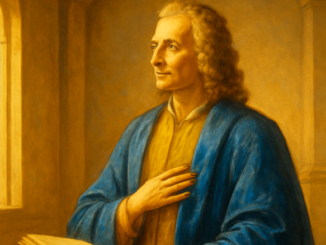
Open antique book with candlelight symbolizing Voltaire's Zadig and Masonic wisdom
Symbolism & Rituals

Voltaire’s Zadig: Philosophical Roots of Wisdom and Fate

A candle flickers in the silence of a reading room. A young Brother leans over a yellowed copy of Voltaire’s Zadig, written in 1747. The words seem to dance between irony and profundity, between satire and wisdom. As he reads about the fortunes and misfortunes of the Babylonian sage, he recognizes something familiar — the same quest for truth, the same confrontation with the inexplicable that he experiences on his own Masonic journey. What drove Voltaire to write this philosophical tale, and which intellectual traditions fed his pen? The Enlightenment as Intellectual Soil Voltaire wrote Zadig during a period when Europe was buzzing with intellectual renewal. The eighteenth-century Enlightenment formed the backdrop against which this philosophical tale came into being. In the salons of Paris and the libraries of country estates, new ideas about reason, human autonomy, and the critical questioning of tradition were taking shape. Voltaire, himself a central figure in this movement, used the story as a vehicle for philosophical ideas he could not openly proclaim without provoking the wrath of both Church and State. The story of Zadig is steeped in the spirit of its age: the belief that human reason could dispel the darkness of superstition. […]
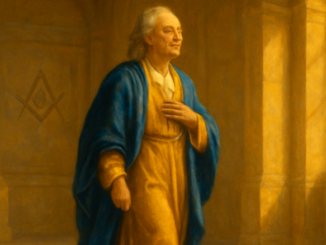
Open book with ripples in water symbolizing Voltaire's Zadig and fate
Symbolism & Rituals

Voltaire’s Zadig: Wisdom, Fate, and the Shape of the Stone

A stone cast into a pond sends ripples far beyond what the eye can follow. This is precisely how fate operates in the life of Zadig, the wise Babylonian at the heart of Voltaire’s celebrated philosophical tale. Written in 1747, this slim volume is far more than an adventure story — it is a sustained meditation on whether wisdom can shield us from the sheer arbitrariness of existence. The stone has been thrown, the ripples spread, and Zadig can only watch as his virtue alternately blesses and curses him. The Story: A Journey Through Adversity Zadig is a young nobleman in ancient Babylon who possesses everything a person could wish for: wealth, intelligence, beauty, and a genuinely good character. He pursues wisdom and virtue, convinced that these qualities will deliver him a happy life. Yet from the very first chapter, fate turns against him. His fiancée proves unfaithful, his eye is wounded by a jealous rival, and every time he does the right thing, he is punished rather than rewarded. Voltaire leads his protagonist through royal courts, slavery, and exile, confronting him again and again with the same stubborn question: why does the righteous man suffer while the wicked prosper? […]