Explore the profound connection between Freemasonry and virtue through timeless philosophical teachings and practical moral lessons for personal growth.
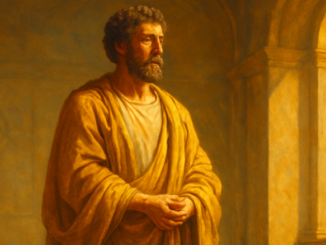
Marcus Aurelius – Freemasonry & Connection
Marcus Aurelius Book VII: Fate and Masonic Wisdom
What if everything that happens to us — the good fortune and the misfortune alike — ultimately leads to the same point? In the seventh book of his Meditations, Marcus Aurelius examines the unpredictability of fate with a clear-eyed sobriety that still resonates nearly twenty centuries later. For Freemasons, his philosophy raises a familiar question: how do we relate to the inevitable changes of life, and what does our response reveal about the state of our inner selves? The Paradox of Fate in Marcus Aurelius Marcus Aurelius, the Roman emperor-philosopher who reigned from 161 to 180 AD, wrote his Meditations as private reflections — never intended for publication. In Book VII, he turns his attention to a fundamental paradox: fate appears random, yet the wise person can still adopt a meaningful stance toward it. The unpredictability of life is not an enemy to be conquered, but a teacher that compels self-examination. He writes that the same events which destroy one person make another stronger. It is not the event that determines the outcome, but the way we receive it. This is not passive resignation — it is an active choice for inner sovereignty. The Stoic tradition in which Marcus Aurelius […]