Explore the cardinal virtues in Freemasonry through philosophical insights and character development. Discover timeless principles guiding moral excellence and fraternal wisdom.
Symbolism & Rituals
Voltaire on Virtue: Lessons from the Philosophical Dictionary
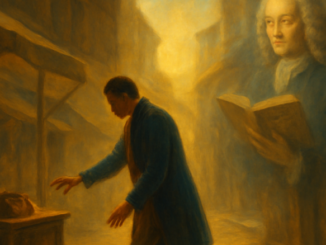
Imagine you are faced with a choice where no one is watching, no one is checking up on you, and you could easily profit at someone else’s expense. What do you do? This is precisely the question Voltaire raises in his famous entry on virtue in the Philosophical Dictionary. His answer is surprisingly practical — and more than 250 years later, it remains directly applicable to everyday life and to the principles at the heart of Freemasonry. What Is Virtue According to Voltaire? Voltaire does not define virtue as an abstract ideal or a religious commandment. For him, virtue is something essentially practical: doing good for your fellow human beings. In his dictionary entry, he draws a clear distinction between what he calls “theological virtues” and “civic virtues.” The first category encompasses religious obligations that vary from one faith to another. The second — the category Voltaire is most interested in — consists of concrete actions that promote harmonious coexistence. He states bluntly that a hermit who fasts and prays is not, strictly speaking, a virtuous person in any social sense. Only when someone actively contributes to the well-being of others — when someone honors their commitments, deals honestly in […]