
Personal Development & Leadership
The 33rd Degree: Where Brotherhood Becomes a Paradox
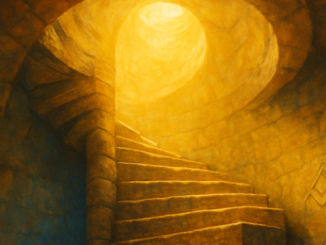
The 33rd degree fascinates and confounds in equal measure. How can a brotherhood that preaches equality simultaneously maintain a system of thirty-three ascending steps? It’s a question that occupies outsiders and initiates alike — and perhaps that is exactly the point. Because within this tension between hierarchy and equality lies a deeper insight into what human connection truly means. The Paradox of the 33rd Degree Explained Let’s begin with a provocative proposition: the highest degrees of Freemasonry exist not to elevate people, but to make them smaller. Not in the sense of humiliation, but in the original meaning of the word humilitas — derived from humus, the earth. The higher one climbs on the symbolic ladder, the sharper the awareness of one’s own limitations becomes. The thirty-third step is not a throne but a vantage point from which the horizon remains infinite. This may sound like a contradiction. We live in an age in which hierarchy has become suspect, in which every form of rank is automatically associated with power and oppression. Yet the structure of degrees within Masonic traditions operates in a fundamentally different way. It is not a ladder upward, but a spiral inward. Each degree reveals not […]
Christianity
2 Thessalonians and the Masonic Light of Perseverance
What does it mean to stand firm when everything around you seems to shift and tremble? The Second Epistle to the Thessalonians — a brief but powerful text from the New Testament — poses this question with striking urgency. Written to a young Christian community grappling with confusion and doubt, the letter offers a timeless meditation on perseverance, labor, and the strength found in brotherly bonds. For the Freemason, accustomed to symbolic language and moral reflection, this ancient text opens surprisingly resonant perspectives. A Letter Born from Uncertainty The paradox at the heart of 2 Thessalonians lies in its origin: a community so fervently convinced of imminent salvation that it was in danger of neglecting the present. Some had abandoned their work, certain that the end of days was upon them. Others had been thrown into confusion by false messages and counterfeit letters. The epistle, traditionally attributed to the Apostle Paul, calls for reflection — not by denying the vision of hope, but by reminding its readers of their duty to the here and now. This tension between future expectation and daily responsibility touches on a universal human theme. How often do we lose ourselves in dreams of what is […]
Culture & Media
The Eighth Child as Philosopher and Brother: Art in the Lodge
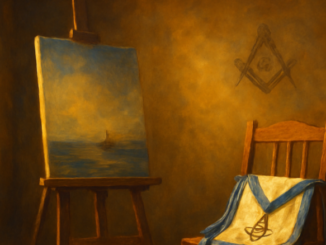
Candlelight flickers softly as a young man sets down his brush and stares at the canvas. As the eighth child in a large family, he learned early to observe, to listen, and above all, to wait his turn to be heard. Now, years later, he stands in a Masonic lodge where brethren have gathered around the art he has created. The story of the eighth child who becomes both philosopher and brother is a story about creativity born from necessity, wisdom cultivated in the shadows, and the art that emerges when a searching spirit finally finds a home. The Philosopher Who Grew Up as the Eighth Child Throughout the history of philosophy and the arts, we find a remarkable number of thinkers and artists who grew up among the youngest children in large families. The eighth child — whether literally or figuratively the youngest — learns early that the world does not revolve around him. This position creates a unique perspective on reality: observing, reflecting, and often developing a deep need to find meaning beyond the well-trodden path. Jean-Jacques Rousseau, the eighteenth-century philosopher whose ideas helped shape the Enlightenment, knew this experience of being an outsider. His philosophy about the […]