Explore Philosophy & Ethics in Freemasonry: discover timeless principles on responsibility, character, and moral wisdom that shape Masonic practice and personal growth.
Philosophy & Ethics
The Three Sieves of Socrates: A Masonic Lesson in Speech
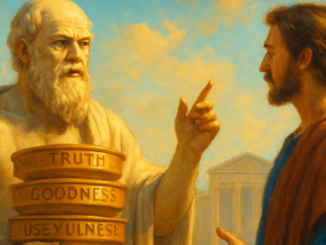
In Freemasonry, our meetings are a blend of serious reflection and warm fellowship. Brothers chat over coffee before the lodge opens, share a drink during the interval, and linger after the closing to enjoy each other’s company. During the formal proceedings — the lodge work itself — the tone is generally more earnest, with lectures and presentations that challenge us to think deeply. Yet even then, there is always room for a well-timed anecdote. Recently, a brother shared the parable of the Three Sieves of Socrates, and it struck a chord with everyone present. It is a short story, but one well worth reflecting upon — because its lesson is as relevant today as it was in ancient Athens. The Story of the Three Sieves Socrates, the great Greek philosopher, was walking through the streets of Athens one day when a man rushed toward him in a state of excitement. “Socrates! I must tell you something about your friend who—” “Hold on a moment,” Socrates interrupted. “Before you go any further, have you passed the story you want to tell me through the Three Sieves?” “The Three Sieves? What three sieves?” the man asked, bewildered. “Let us try,” Socrates suggested […]