Vrijmetselarij - The History of Freemasonry: From Medieval Builders to Modern
History

The History of Freemasonry: From Medieval Builders to Modern

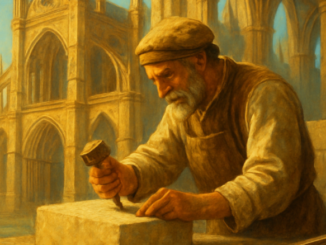
Freemasonry has long sparked a sense of mystery and fascination. What happens behind the doors of a lodge? Where does this centuries-old tradition come from? And why does it continue to inspire men around the world to work on themselves and strive for a better society? In this article, we take a deep dive into the history of Freemasonry — not as dry historians cataloguing facts, but as curious explorers searching for meaning, inspiration, and connections that have stood the test of time. Medieval Roots: From Master Builders to Brotherhood The origins of Freemasonry are layered with symbolism, myth, and historical complexity. Most historians trace its roots back to the Middle Ages — specifically to the stonemason guilds that built Europe’s great cathedrals. These guilds were far more than trade organizations. They passed on not only technical skills but also cultivated moral and ethical values among their members. The construction of Gothic cathedrals was no simple undertaking. It required cooperation, dedication, and above all: vision. The symbolism of building — shaping rough stones into a harmonious whole — remains at the very heart of Freemasonry today. The only difference is that the “building site” has become an inner one. From […]

Historic Masonic lodge interior symbolizing the history of Freemasonry
History

The Official History of Freemasonry: Origins to Today

Freemasonry is an ancient organization steeped in mystery, ritual, and symbolism. What began as a brotherhood of stonemasons in the Middle Ages has evolved into a worldwide community with deep spiritual and philosophical dimensions. This article traces the official history of Freemasonry, from its earliest origins to its present-day form. The Origins of Freemasonry The roots of Freemasonry reach back to the Middle Ages, when stonemasons and master builders organized themselves into guilds. These skilled craftsmen didn’t just construct cathedrals and churches — they also worked according to strict codes of ethics and craftsmanship. The guilds protected their trade secrets through passwords and symbols, which later became core elements of Masonic ritual. During the 17th century, the nature of these organizations began to shift. The guilds started admitting members who had no direct connection to the building trades. This marked the crucial transition from “operative” to “speculative” Freemasonry. The focus moved away from physical construction toward a symbolic quest for wisdom and self-improvement. The Rise of Modern Freemasonry The year 1717 is widely regarded as a turning point in the history of Freemasonry. In London, four lodges came together to form the first Grand Lodge of England. This moment is […]