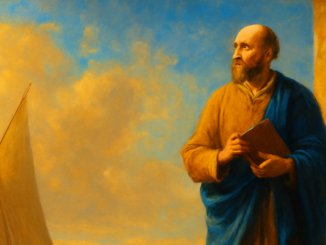
Montaigne’s Philosophical Sources: From Skeptics to Stoics
When Michel de Montaigne placed the laughing Democritus opposite the weeping Heraclitus in the fiftieth essay of his first book, he was doing far more than recounting an anecdote. He was positioning himself within a centuries-old philosophical debate about the proper attitude toward human existence. Behind that seemingly simple contrast lies a rich tapestry of influences: Greek Skeptics, Roman Stoics, Renaissance humanists, and classical biographers. This article examines that philosophical background and explores how the same intellectual tradition echoes in the way Freemasonry approaches human judgment. Two Ancient Philosophers as Mirrors The image of the laughing and weeping philosopher is far older than Montaigne himself. Democritus of Abdera, the fifth-century BCE atomist philosopher, was portrayed in antiquity as the thinker who responded to human folly with laughter. Heraclitus of Ephesus, the obscure philosopher of eternal flux, was cast as the one who shed tears over that same humanity. This contrast was not described in these terms by Democritus or Heraclitus themselves — it was a later construction that reached the European imagination primarily through Seneca and Juvenal. Montaigne knew this imagery firsthand. In his famous tower library at the Château de Saint-Michel-de-Montaigne, he had direct access to the works of […]