The Lost Symbol: Washington’s Temple in Fiction and Fact
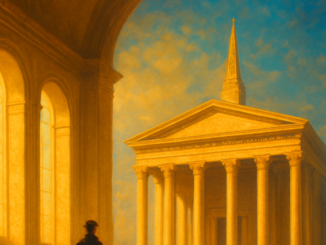
Anyone who picks up Dan Brown’s The Lost Symbol enters a world where the American capital is steeped in Masonic symbolism. Monuments, streets, and buildings all seem to be part of some grand mystery. But how does this gripping fiction compare to the reality of Freemasonry? Let’s examine the facts and discover where the novelist parts ways with the truth. Does the Temple from the Book Actually Exist? Yes, it does. The temple Dan Brown references in The Lost Symbol is a real building. It is the headquarters of the Scottish Rite in Washington, D.C., officially known as the House of the Temple. This imposing structure was completed in 1915 and was inspired by the Mausoleum at Halicarnassus, one of the Seven Wonders of the Ancient World. The building serves as the headquarters of the Supreme Council of the Scottish Rite for the Southern Jurisdiction of the United States. This is where the similarities between fiction and reality end, however. In the novel, Brown suggests that beneath the building lie secret chambers and hidden crypts filled with mystical knowledge. The reality is considerably more prosaic: the House of the Temple houses an extensive library, archives, and ceremonial rooms — but […]