Freemasonry and Philosophy: The Ethical Foundation
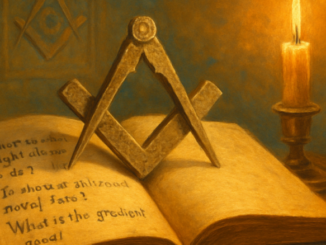
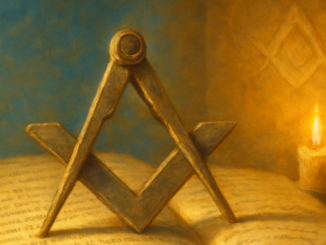
Freemasonry is far more than a fraternal organization with elaborate rituals and symbolic regalia. At its heart, it is a philosophical and ethical system — a structured approach to self-improvement, moral reasoning, and the pursuit of truth. The intersection of freemasonry philosophy ethics has shaped some of the most thoughtful minds in Western history, offering its members a framework through which to examine their place in the world, their duties to their fellow human beings, and the nature of virtue itself. This pillar page explores the deep philosophical roots of Freemasonry, its core ethical principles, the thinkers and traditions that have influenced it, and why its moral teachings remain profoundly relevant in the modern world. Historical Background: Philosophy and the Origins of Freemasonry To understand the ethical foundations of Freemasonry, one must first appreciate the historical context in which the fraternity emerged and evolved. Although the precise origins of Freemasonry are debated by historians, the formation of the first Grand Lodge in London in 1717 marks the beginning of what is known as “speculative” Freemasonry — a practice that drew on the symbolic tools and language of medieval stonemasons to construct a philosophical and moral edifice rather than a physical […]