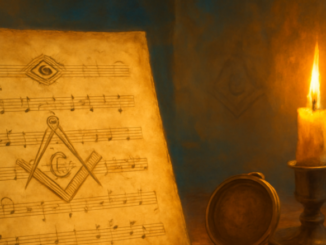
Discover the meaning and significance of masonic symbols throughout history. Explore Freemasonry’s secret codes, rituals, and famous members who shaped this ancient tradition.
Symbolism & Rituals
Symbols in Freemasonry: Their Meaning and Background
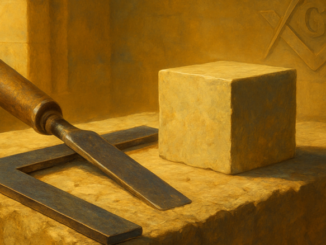
Freemasonry is one of the oldest and most fascinating fraternities in the world, and its symbolism lies at the very heart of everything it stands for. The symbols in Freemasonry are not random decorations — they are carefully chosen images that embody deep moral, philosophical, and spiritual lessons. From the square and compasses to the All-Seeing Eye and the rough ashlar, each symbol invites the Freemason to engage in self-reflection, personal growth, and the pursuit of a better world. In this article, we explore the most important Masonic symbols, their historical origins, and what they mean within the Craft. The Historical Background of Masonic Symbols To truly understand the symbols in Freemasonry, it is essential to look back at the roots of the fraternity. Modern speculative Freemasonry as we know it was formally established on June 24, 1717, when four lodges in London united to form the first Grand Lodge of England. However, the symbolic traditions they inherited reach much further back — to the operative stonemasons and cathedral builders of the Middle Ages. These medieval craftsmen — the so-called operative masons — used tools like the compasses, the square, and the level in their daily work. When the fraternity […]