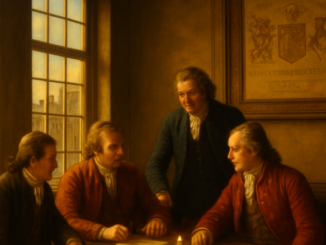
Historic Dutch Masonic lodge interior representing Freemasonry in the Netherlands
History

History of Freemasonry in the Netherlands: Three Centuries

The history of Freemasonry in the Netherlands is a fascinating journey through more than three centuries of brotherhood, Enlightenment ideals, and civic engagement. From the founding of the first Dutch lodge in the early eighteenth century, Freemasons have played a remarkable role in the cultural, intellectual, and social life of the country. While the story mirrors broader European developments, Dutch Freemasonry has a distinctive character of its own — shaped by the Netherlands’ deep-rooted traditions of tolerance, commerce, and civic idealism. The Earliest Roots: Freemasonry in Europe Before the Netherlands To understand the history of Freemasonry in the Netherlands, it helps to first consider its European origins. Modern Freemasonry is typically traced back to the founding of the Grand Lodge of London in 1717 — widely regarded as the official beginning of speculative or symbolic Freemasonry. Before that pivotal moment, guilds of operative masons — skilled craftsmen who built the great cathedrals and castles of Europe — had already established traditions, symbols, and rituals that would form the foundation for a new, more philosophically oriented movement. The English Enlightenment fostered a climate of rational thinking, religious tolerance, and scientific curiosity. In that spirit, intellectuals, nobles, and merchants came together in […]
Historic Masonic lodge interior representing 20th century Freemasonry
History

The History of Freemasonry in the 20th Century

The 20th century was one of the most turbulent periods in human history — shaped by two devastating world wars, the rise and fall of totalitarian regimes, and sweeping social transformations. Throughout it all, Freemasonry endured as a beacon of stability and idealism. Yet the Craft was far from untouched by these upheavals. It faced persecution, adapted to new realities, and ultimately emerged with its core values intact, ready to carry them into a new millennium. Freemasonry Under Totalitarian Regimes During the interwar years and the Second World War, Masonic lodges across Europe became targets of systematic oppression. Totalitarian regimes — most notably Nazi Germany and Fascist Italy — viewed Freemasonry as a direct threat. The fraternity’s commitment to liberty, equality, and brotherhood stood in stark opposition to authoritarian ideology. Lodges were forcibly closed, their members persecuted, and countless irreplaceable archives were destroyed or confiscated. Despite this relentless campaign of suppression, Freemasonry did not disappear. In several countries, lodges continued to operate underground, preserving their traditions and humanitarian ideals in secret. Their quiet resilience served as a powerful testament to the enduring strength of Masonic principles, offering a spark of hope even in the darkest chapters of the century. Freemasonry […]

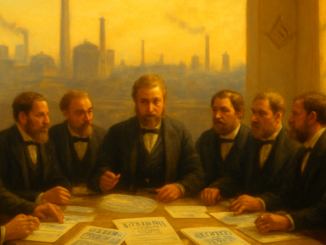
Historic Masonic lodge interior representing 19th century Freemasonry
History

The History of Freemasonry in the 19th Century

The 19th century was an era of sweeping transformation. The Industrial Revolution, the rise of nation-states, and the march toward democracy reshaped the world as we know it. Throughout this turbulent period, Freemasonry played a significant role as a community of ideas, social reform, and international cooperation. Freemasonry and the Industrial Revolution As industrialization took hold across Europe and North America, new social classes emerged and the demand for social justice grew louder. Many Masonic lodges found themselves at the forefront of initiatives that championed social reform. Members leveraged their networks to advocate for improved working conditions, expanded access to education, and the establishment of charitable institutions. It was also during this period that women first began to gain a foothold in Freemasonry, albeit often through so-called “adoptive lodges” that operated under the supervision of male Grand Lodges. While inclusivity was slowly increasing, most lodges remained closed to women — a tension that would continue well into the following century. Political Involvement and National Movements The 19th century also witnessed a growing political influence of Freemasonry. In countries like France and Italy, lodges were closely involved in the struggle for national unification and the promotion of republican ideals. Prominent Freemasons […]