Plato’s Laws: Practical Lessons for Society and the Lodge
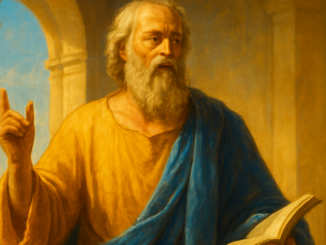
Picture yourself sitting in a lodge, surrounded by brethren from every conceivable background — different professions, beliefs, and life experiences. What holds this community together? Plato asked himself the very same question more than 2,400 years ago when he wrestled with the ideal organization of society. His final and longest dialogue, The Laws, offers surprisingly practical insights that speak directly to lodge life and to every Mason’s personal quest for connection and truth. Why Structure Makes Freedom Possible In The Laws, Plato describes a conversation among three elderly men tasked with designing a new colony from scratch. Unlike his more famous work The Republic, this dialogue is not a utopian blueprint. It is a pragmatic exploration of workable agreements among imperfect human beings. Plato acknowledges that people are flawed, and that good laws help them become their better selves. This is exactly what you experience inside a lodge: rituals and rules do not exist to restrict, but to create a space where genuine encounter becomes possible. Think about your own routine. When you know that every Tuesday evening the lodge meets, you carve out a dedicated place in your life for reflection and brotherhood. Without that structure, conversations about virtue […]