Explore the concept of inner retreat in Masonic philosophy and practice. Discover wisdom on personal reflection, spiritual sanctuary, and the art of inner contemplation within Freemasonry.
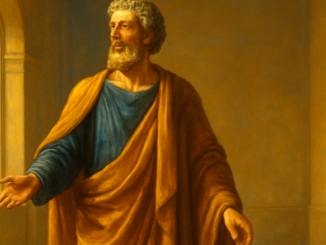
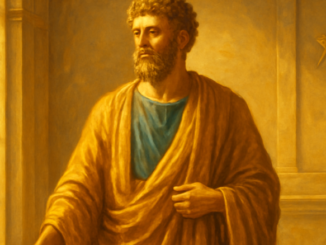
Marcus Aurelius – Meditations
Marcus Aurelius and the Inner Sanctuary: Philosophical Roots
When Marcus Aurelius writes about withdrawing into oneself in the fourth book of his Meditations, he draws on a rich philosophical heritage stretching back centuries before his time. This Roman emperor, who ruled amid wars and plague, found solace in ideas rooted in the early Stoa of Athens. But how do these ancient teachings relate to the Freemason’s quest for self-knowledge? The uninitiated may see nothing more than a historical curiosity; the initiated recognizes a timeless method for inner transformation. The Stoa: A School Born from Crisis Around 300 BCE, Zeno of Citium founded his philosophical school in the Stoa Poikile — the painted colonnade of Athens. Greece was in political turmoil following the death of Alexander the Great. The old certainties of the city-state were crumbling. In this climate of uncertainty, Zeno developed a philosophy that placed individual resilience at its center, independent of external circumstances. The Stoics taught that virtue is the only true good, and that while fate lies beyond our control, our response to it does not. Marcus Aurelius did not inherit this tradition directly from Zeno, but through a chain of thinkers who refined and expanded Stoic doctrine over the centuries. Chrysippus systematized the school’s […]