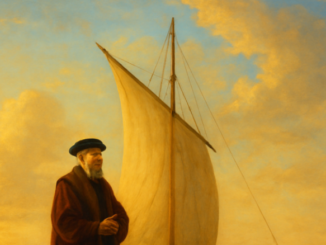
Montaigne on Drunkenness: Summary and Masonic Reflections
It is late in the evening. Somewhere in a Masonic lodge, a brother sets aside his gloves after the ritual work and takes his seat at the festive board. Wine is poured, toasts are raised. Someone at the table mentions that Michel de Montaigne, the great sixteenth-century essayist, devoted an entire essay to drunkenness. A brief silence falls, followed by a knowing smile. Because anyone familiar with Montaigne knows that he had a gift for uncovering the deepest questions about human nature in the most ordinary of subjects. What follows is a summary and exploration of his essay ‘On Drunkenness,’ the second essay from the second book of his celebrated Essays. The Heart of the Essay: Temperance as a Virtue In ‘On Drunkenness,’ Montaigne examines humanity’s relationship with its own weaknesses, using intoxication as his starting point. The essay does not open with condemnation but with a nuanced question: are all human failings equally grave, or do they come in degrees? With this, Montaigne positions himself in a philosophical debate that stretches back to antiquity. The Stoics — Chrysippus and Seneca in particular — considered all vices equally reprehensible. Montaigne distances himself from this view, aligning instead with Aristotle, who […]