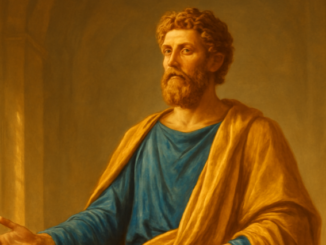
Explore brotherhood and wisdom through Masonic philosophy. Discover timeless lessons on virtue, gratitude, and human potential from ancient thinkers and Freemasonry traditions.
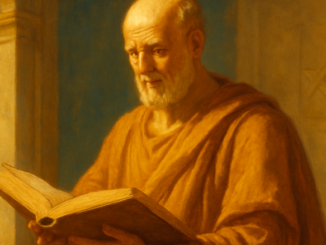
Lucius Annaeus Seneca – Freemasonry & Connection
Seneca on Philosophy and Humanity: A Masonic Reflection
A candle flickers softly as a Freemason lingers after lodge, turning the yellowed pages of Seneca’s letters. He reads Letter V and recognizes something deeply familiar in the Roman philosopher’s words — a call to authenticity that echoes the very rituals he just experienced. Two thousand years ago, Seneca wrote about how philosophy connects us to humanity without alienating us from our fellow human beings. This idea holds up a surprising mirror for the modern Freemason. The Paradox of Standing Out by Blending In In his fifth letter to his student Lucilius, Seneca warns against two extremes. On one hand, there is the temptation to make such a show of philosophical practice that you repel ordinary people. On the other, there is the danger of conforming so completely to the crowd that you abandon your inner work altogether. Seneca advocates a middle path: live according to your principles, but without theatrical display. The true philosopher differs from others not by his clothing or outward behavior, but by the quality of his inner life. This tension is intimately familiar to every Freemason. The fraternity does not operate discreetly out of secrecy for its own sake, but from an understanding that inner […]