The Second World War marked one of the darkest chapters in the long history of Freemasonry. Across Nazi Germany and the occupied territories, Freemasons were systematically targeted, persecuted, and silenced. Yet even in the face of totalitarian oppression, the Craft’s core ideals of liberty, equality, and brotherhood endured — sometimes at extraordinary personal cost.
Why the Nazis Targeted Freemasonry
Nazi ideology was built on antisemitism, extreme nationalism, and elaborate conspiracy theories. Freemasonry, with its emphasis on universal brotherhood and its tradition of private meetings, became an easy target. The regime falsely portrayed the fraternity as a shadowy network conspiring against the state, lumping it together with Jewish communities and other perceived enemies. In reality, Freemasonry stood for exactly the kind of values — tolerance, free thought, and human dignity — that totalitarian regimes cannot tolerate.
The Ban on Freemasonry in Germany and Occupied Territories
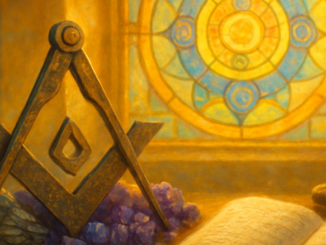
When Adolf Hitler rose to power in 1933, Freemasonry was swiftly banned throughout Germany. Lodges were forced to close their doors, their assets seized, and their records confiscated. Well-known Masonic symbols such as the Square and Compasses were deliberately distorted in propaganda materials to fuel conspiracy theories and public distrust.
As German forces swept across Europe, the same fate befell Freemasons in occupied countries. In the Netherlands, for example, lodges were shut down during the occupation. Property was confiscated, members were arrested, and some were deported to concentration camps, where a number of them perished. Similar patterns of persecution played out in France, Belgium, Poland, and other nations under Nazi control.
Keeping the Light Alive in Secret
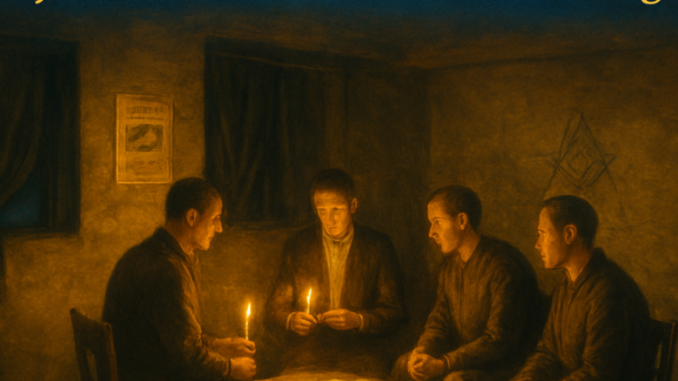
Despite the immense danger, some Freemasons refused to let the flame of brotherhood die out entirely. In several countries, small groups of brethren continued to meet in secret, adapting their rituals to minimize the risk of discovery. These clandestine gatherings were acts of extraordinary courage. The fraternity also worked quietly to support members and their families who faced persecution, providing whatever material and moral assistance they could.
Remarkably, a number of Freemasons played active roles in resistance movements across Europe. They used the networks of trust they had built within the Craft to aid the fight against fascism — sometimes without their own lodges ever knowing. Their contributions remain a powerful testament to the personal integrity and civic courage that Masonic teachings inspire.
Reconstruction and Remembrance After the War
When the war ended in 1945, the process of rebuilding was slow and painful. Many lodges had lost members, records, and property. Yet across Europe, lodges began reopening their doors — a powerful symbol of the resilience of Freemasonry and its enduring ideals. The reopening of these lodges was not merely an organizational recovery; it was a reaffirmation of the values that the war had tried to destroy.
The scars of the war, however, ran deep. Entire generations of Masonic knowledge and tradition had been disrupted. The loss of brethren in concentration camps and on battlefields left wounds that would take decades to heal. Memorials and commemorations within lodges around the world continue to honor those who suffered and perished.
Lessons for Freemasons Today
The wartime experience of Freemasonry carries lessons that remain profoundly relevant. It reminds us that the values at the heart of the Craft — freedom, equality, solidarity, and respect for human dignity — are never to be taken for granted. These principles gain their deepest meaning precisely when they are under threat. The courage of those wartime brethren challenges every modern Freemason to uphold these ideals not only in the comfort of the lodge room, but in the wider world as well.
The story of Freemasonry during the Second World War is one of persecution, courage, and ultimately, resilience. It stands as a solemn reminder that the ideals of liberty, equality, and brotherhood are worth defending — especially in the darkest of times. By remembering what was endured and what was preserved, today’s Freemasons honor the legacy of those who kept the light of the Craft alive when the world around them was consumed by darkness.
Copyright text & image: devrijmetselaar.nl
Texts are based on the ideas and content of the author of devrijmetselaar.nl, reviewed, corrected, and supplemented with the assistance of OpenAI. Images are created based on the ideas of the author of devrijmetselaar.nl using OpenAI/DALL-E.
Frequently Asked Questions
Why did the Nazi regime target Freemasons during World War II?
The Nazis falsely portrayed Freemasonry as a shadowy conspiracy against the state and lumped it together with other perceived enemies. In reality, Freemasonry's core values of universal brotherhood, tolerance, and free thought directly contradicted Nazi totalitarian ideology, making it an easy target for persecution.
What happened to Freemasons in occupied territories during the war?
Lodges across occupied Europe were forcibly closed, their assets seized, and members arrested or deported to concentration camps. Despite these horrific circumstances, the resilience of Freemasonry was demonstrated when lodges began reopening after 1945, symbolizing the enduring strength of the fraternity's ideals.
Did Freemasons resist Nazi persecution during the war?
Yes, many brave Freemasons continued to meet in secret despite the extreme danger, and some actively participated in European resistance movements. They used the networks of trust built within the Craft to support persecuted members and fight against fascism, demonstrating the personal integrity and civic courage that Masonic teachings inspire.
How did Freemasonry recover after World War II?
Although many lodges had lost members, records, and property, the fraternity demonstrated remarkable resilience by reopening its doors across Europe after 1945. This reconstruction was not merely organizational recovery but a powerful reaffirmation of Freemasonry's enduring commitment to liberty, equality, and brotherhood.

Be the first to comment