Voltaire vs Pascal: Optimism as a Bridge to Brotherhood
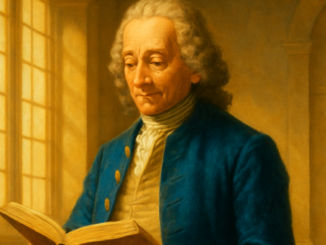
There are moments when the weight of the world feels unbearable — moments when you wonder whether humanity is simply destined for misery. Blaise Pascal, the brilliant seventeenth-century thinker, wrote from exactly that conviction. But what happens when another mind reads those same texts and arrives at radically different conclusions? Voltaire took up the challenge, and in his Philosophical Letters he delivered a response that not only ignited one of the great intellectual debates in Western thought but also articulated a philosophy of life that runs remarkably close to the heart of Freemasonry. Two Thinkers, Two Visions of the Human Condition Pascal saw humanity as a species torn between greatness and insignificance, trapped in a universe that appears deaf and blind to our existence. His famous Pensées breathe an atmosphere of existential unease: without God, man is lost, and even with faith, existence remains a precarious balancing act. When Voltaire read these fragments, he felt resistance rising within him — not because he underestimated Pascal’s intelligence, but because he held a fundamentally different view of what it means to be human. Where Pascal emphasized human weakness, Voltaire saw possibility. Where Pascal warned against the vanity of worldly pursuits, Voltaire celebrated […]