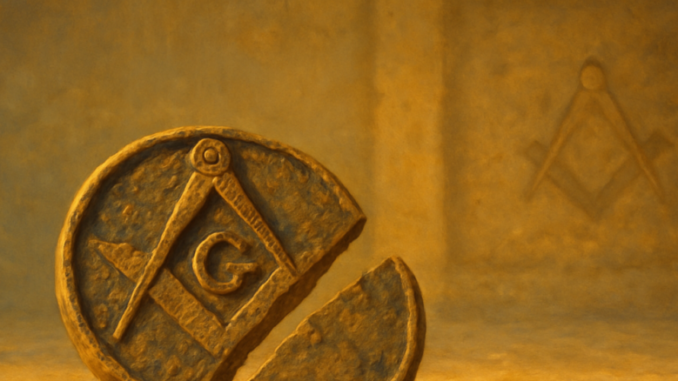
In the seventeenth century, breaking an oath was considered one of the gravest transgressions a person could commit. Guild brothers swore loyalty to their craft, knights to their lord, and apprentices to their master. Today, we read about a footballer having his contract terminated and departing with immediate effect. Reactions range from understanding to outrage. But those who look deeper will recognize an ancient question lurking beneath the surface: what does a rupture reveal about the character of the one who breaks away?
The Historical Weight of the Broken Word
In the medieval guilds, a contract was far more than a business arrangement. It was a sacred promise, sealed through a ritual in which the apprentice placed his hand upon the tools of his trade or a holy object. Historians of the craft guilds describe how a departing member didn’t just lose his profession — he lost his name and reputation. The collective had invested in his formation, and a premature departure was seen as theft of that shared capital.
Yet even those strict times recognized exceptions. When a journeyman discovered that his calling lay elsewhere, when a master proved unjust, or when circumstances changed fundamentally, there existed rituals of honorable separation. The key lay in how the departure took place: with openness about one’s reasons, gratitude for what had been learned, and respect for those left behind.
Personality as Architecture
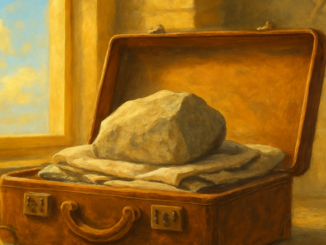
Freemasonry uses the image of the rough ashlar — the unworked stone that is gradually shaped into a perfect cube. This process of character formation lies at the heart of the fraternal work. But an often overlooked aspect of this building is the ability to recognize when you are working on the wrong foundation. Sometimes growth doesn’t mean pressing forward; it means stopping and starting anew.
The wise builder recognizes not only the good stone, but also the place where that stone does not fit.
In the eighteenth century, an Enlightenment philosopher wrote that true personality reveals itself not in moments of comfort, but in moments of choice. The person who chooses to stay while everything within him cries out to leave is building a facade. The person who chooses to go without giving account is fleeing from responsibility. The middle path demands courage: to depart and to take responsibility for that departure.
The Brotherhood and the Individual
In every community, tension exists between the collective and the individual. The guilds knew this, the lodges know this, and football clubs know this. A team invests in a player: time, money, trust. That player grows, develops, and at a certain point their paths may diverge. The question is not whether this is permissible, but how it happens.
Historically, the most respected guild brothers distinguished themselves by the manner of their departure. They thanked their masters, passed knowledge on to younger journeymen, and left without bitterness. The farewell became a ritual of acknowledgment rather than reproach. In that tradition lies a lesson for anyone who ever leaves a community.
What We Can Learn Today
News of a sudden departure always stirs reactions. Supporters feel betrayed, analysts speculate about motives, and the departing individual is subjected to the judgment of strangers. But those who adopt a historical perspective see something different: a human being making a choice about his own path through life.
Self-knowledge sometimes demands radical steps. A contract is a promise, but not a prison. The way you leave determines your legacy. And judging others without knowledge of their inner life is premature at best.
The old master builders knew that not every stone fits in every place. Sometimes a stone must be moved to a different wall, a different building, a different design. That is neither a failure of the stone nor of the builder — it is an acknowledgment of deeper insight. The personality that dares to recognize it would thrive better elsewhere displays a form of self-knowledge rarer than we often realize.
The Departure as Mirror
Ultimately, the way we react to someone else’s departure says as much about us as it does about them. Do we feel anger because we feel abandoned? Do we feel understanding because we ourselves once faced difficult choices? The Freemason is invited to look inward first in every situation before casting judgment outward.
In the silence of the lodge, far from the noise of stadiums and news headlines, the question is posed: who are you when no one is watching? Who are you in the moment of choice? The answer to that question forms the core of personality — and it is a question that is never definitively answered. It returns, again and again, in every new circumstance of life.
A footballer who departs is merely a ripple on the surface of daily news. But beneath that ripple lie questions that have occupied humanity for centuries. What does loyalty mean? When is breaking away an act of wisdom? And how do we relate to the communities to which we belong? The old guild brothers, the Enlightenment philosophers, and today’s seekers of truth all wrestle with the same tension. The answers differ, but the search connects us all.
Copyright text & image: devrijmetselaar.nl
Texts are based on the ideas and content of the author of devrijmetselaar.nl, reviewed, corrected, and supplemented with the assistance of OpenAI. Images are created based on the ideas of the author of devrijmetselaar.nl using OpenAI/DALL-E.
Frequently Asked Questions
What does Freemasonry teach about breaking commitments or leaving the fraternity?
Freemasonry recognizes that personal growth sometimes requires difficult choices, including departure from the brotherhood. The craft teaches that honorable separation is possible when done with transparency, gratitude for lessons learned, and respect for those remaining—emphasizing that character is revealed not in moments of comfort, but in how one handles significant life transitions.
How does the concept of the 'rough ashlar' relate to personal development in Masonry?
The rough ashlar represents the unworked stone that is gradually shaped into a perfect cube, symbolizing each Mason's journey of character formation within the fraternity. This image teaches that true growth includes the wisdom to recognize when you are building on the wrong foundation and the courage to make honest changes—demonstrating that knowing yourself is as important as self-improvement.
What does Freemasonry say about the relationship between individual freedom and community responsibility?
Freemasonry acknowledges the natural tension between the collective and the individual, teaching that both the community and the individual have legitimate needs. The fraternity upholds that personal choices deserve respect when made responsibly and transparently, and that the most respected members are those who balance personal integrity with accountability to their brothers.
How should a Mason honorably leave the fraternity if they choose to do so?
Historical Masonic tradition teaches that honorable departure involves openness about one's reasons, gratitude for what has been learned, and respect for those left behind. Rather than fleeing from responsibility or leaving in bitterness, a Mason's farewell becomes a ritual of acknowledgment that honors both the individual's growth and the brotherhood's investment in that development.

Be the first to comment