
Steaming cup of tea in a Masonic lodge setting symbolizing temperance
Philosophy & Ethics

Too-Hot Coffee and Temperance: An Ethical Lesson from the Lodge

The lodge falls silent as the master of ceremonies places a steaming cup of tea before a newly initiated brother. The scent of bergamot rises from the near-boiling liquid. The young man reaches for it immediately, but an older brother calmly places a hand on his arm: “Wait. Let it cool first.” In that simple gesture lies a lesson far deeper than preventing a burned tongue. When Haste Becomes Harmful Recent medical research confirms what many have long suspected: regularly drinking very hot liquids — above 65 degrees Celsius (149°F) — can triple the risk of esophageal cancer. The heat damages the delicate lining of the esophagus, and repeated injury leads to cellular changes that can eventually become malignant. The science is clear: impatience with something as mundane as drinking coffee or tea can have life-threatening consequences. To most people, this sounds like an overreaction. A cup of tea is harmless, surely? But that very underestimation is the problem. We have grown accustomed to instant gratification — to the immediate fulfillment of our desires. Modern life encourages this at every turn: fast service, instant delivery, zero wait time. Yet nature, and our own bodies, operate on a different rhythm. Sometimes […]
Symbolic rough ashlar and polished stone representing Masonic temperance
Philosophy & Ethics

Temperance: A Masonic Lesson That Starts in Childhood

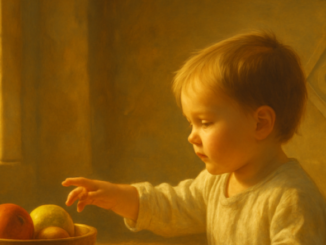
What does a toddler eating less sugar have to do with Freemasonry? At first glance, not much. But dig a little deeper and you touch one of the oldest ethical principles that philosophers and Freemasons alike have cherished for centuries: temperance. Recent research shows that children who consume less sugar in their early years reap the benefits well into old age — raising profound questions about how the choices we make today plant seeds for the future. Why Would a Choice Made in Childhood Still Matter Decades Later? This is exactly the question scientists set out to answer when they studied the long-term effects of sugar consumption in young children. The findings are striking: toddlers who ate little sugar had a significantly lower risk of chronic disease decades later. The body remembers, it turns out, the habits we learn early. But is this merely a biological fact, or does a deeper truth lie beneath? Freemasonry would say yes — there is indeed a deeper truth here. The idea that small, seemingly insignificant actions can have far-reaching consequences sits at the very heart of Masonic thinking. The rough ashlar is not polished in a single blow but through continuous, patient labor. […]

Ancient Greek philosophical dialogue symbolizing Masonic search for virtue
Plato – Freemasonry & Connection

Plato’s Meno and Freemasonry: Discovering Virtue by Asking

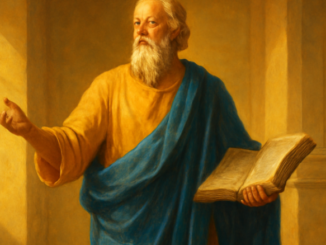
Picture yourself in lodge after an initiation ceremony. A brother turns to you and asks: what is virtue, really? You open your mouth to answer — and then realize you don’t quite know. This moment of not-knowing is exactly where Plato’s dialogue Meno begins, and where the Freemason’s most important work can take place. A Question That Changes Everything In the Meno, the Thessalian nobleman Meno poses a seemingly simple question to Socrates: can virtue be taught? Socrates responds with a counter-question that drives the entire dialogue: how can we teach something if we don’t even know what it is? This question isn’t meant to frustrate. It opens the door to deeper understanding. For the Freemason, this dynamic is deeply familiar. With every degree advancement, you encounter symbols and rituals whose meaning is never directly explained. You must search for yourself, ask questions, and discover that the question is often more important than the answer. Plato called this the method of elenchus — the systematic examination of what you think you know, until you discover what you truly know. Knowledge Already Within You One of the most celebrated passages in the Meno is the exchange between Socrates and a young […]