No Picture
Freemasonry & Society

The Degrees of Freemasonry Explained

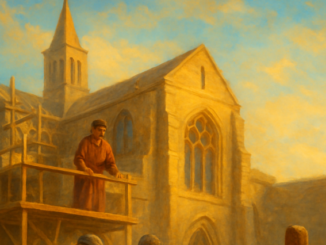
Freemasonry is one of the world’s oldest and most widely recognised fraternal traditions, and at the heart of its structure lies a carefully organised system of degrees. These degrees of Freemasonry represent successive stages of moral, philosophical, and symbolic instruction through which a member progresses over time. Each degree introduces new allegories, rituals, and teachings designed to deepen a Mason’s understanding of virtue, duty, and the human condition. Whether you are newly curious about the Craft or seeking a more thorough understanding of its architecture, exploring the degree system is the most direct path into the heart of Freemasonry’s living tradition. Historical Background of the Degree System The origins of Freemasonry’s degree structure are rooted in the medieval guild traditions of operative stonemasons — the craftsmen who built the great cathedrals, castles, and civic monuments of Europe. These guilds used a system of ranks to distinguish apprentices from journeymen and master craftsmen, regulating both knowledge and access to trade secrets. When speculative Freemasonry — concerned not with physical building but with moral and philosophical development — emerged in the early eighteenth century, it inherited and transformed this hierarchical model. The founding of the Premier Grand Lodge of England in London […]
No Picture
Freemasonry & Society

The Degrees of Freemasonry Explained

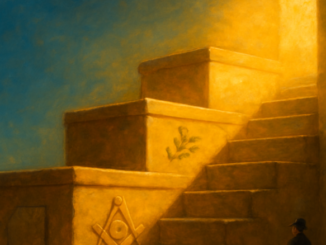
Freemasonry is one of the world’s oldest and most widely recognized fraternal organizations, and at the heart of its structure lies a carefully designed system of degrees. These degrees of Freemasonry are not simply ranks or titles — they are initiatory stages, each carrying its own symbolism, ritual, and philosophical teachings. Understanding how this degree system works offers a window into the rich intellectual and moral tradition that has shaped Freemasonry for centuries. Whether you are a curious newcomer, a family member of a Mason, or someone considering membership, this guide offers a thorough and balanced overview of what the degrees mean, where they come from, and why they continue to matter. Historical Background of the Masonic Degree System The origins of the Masonic degree system are rooted in the transition of stonemasons’ guilds from operative (working) craft organizations to speculative (philosophical) brotherhoods during the late 17th and early 18th centuries. The earliest clear evidence of a formal degree structure dates to the founding of the first Grand Lodge in London in 1717, though historians such as David Stevenson have argued persuasively that organized Masonic lodges existed in Scotland as early as the late 16th century. The initial structure consisted […]