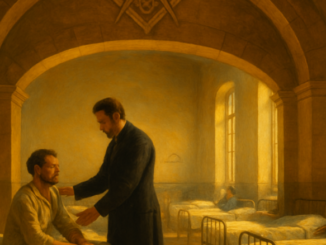
Historic hospital funded by Freemasons providing medical care to the poor
Freemasonry & Society

Freemasons and Medical Care for the Poor: A Legacy of Service

In an era when access to medical care was often a luxury reserved for the wealthy, Freemasons took it upon themselves to fund hospitals and clinics for those who could not afford treatment. Rooted in their core ideals of brotherhood and service to humanity, their commitment to improving public health laid the groundwork for a more inclusive approach to healthcare — one whose influence can still be felt today. Medical Care in the 19th Century During the 19th century, medical care was largely available only to those who could pay for it. Working-class families had little to no access to physicians, let alone specialized treatment. Freemasons recognized this as a grave failing of society and resolved to take action. They began raising funds to establish hospitals and clinics where people without financial means could receive treatment. These institutions did not merely provide basic medical assistance — they often served as pioneers in public health initiatives and medical education, pushing the boundaries of what charitable healthcare could achieve. Freemasonry and the Values of Healthcare The philosophy of Freemasonry aligns closely with the fundamental values of healthcare. At its heart lies a deep commitment to principles that naturally extend to caring for […]
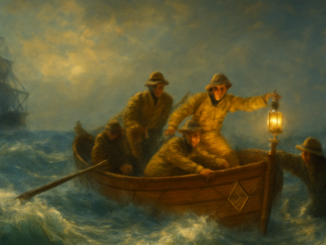
Historic rescue boat symbolizing Freemasonry's contribution to lifesaving services
Freemasonry & Society

Rescue Services and Freemasonry – A Legacy of Aid in Need

Freemasonry has long been associated with the pursuit of a better world through solidarity, knowledge, and practical action. One of the most tangible contributions Freemasons have made — particularly in the Netherlands — is their pivotal role in establishing organized rescue services. Born out of a response to natural disasters and life-threatening emergencies, these efforts reflect the Masonic ideals of brotherhood and care for one’s fellow human beings in their most powerful form. The Origins of Organized Rescue Services The Dutch rescue services trace their roots to the 19th century, a period when devastating storms and floods regularly claimed lives and caused widespread destruction. During this era, there were no official disaster relief organizations. Instead, local communities and philanthropic networks stepped in to fill the void — and Freemasons were at the forefront of these efforts. Masonic lodges established funds, organized training for volunteers, and procured essential rescue equipment such as boats and other lifesaving tools. These grassroots actions, driven by a genuine sense of duty and compassion, laid the groundwork for what would eventually become the modern, professional rescue infrastructure we know today. Masonic Ideals at the Heart of Lifesaving The connection between Freemasonry and rescue work is no […]

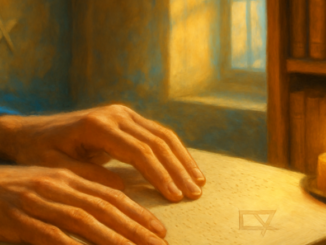
Historic braille books symbolizing the Masonic Library for the Blind
Freemasonry & Society

The Library for the Blind and Freemasonry – Light in Darkness

Freemasonry has long been associated with philanthropic efforts that promote knowledge, inclusion, and the betterment of society. One of the most remarkable — and often overlooked — examples of this commitment is the founding of the Library for the Blind. This institution, which made literature accessible to people with visual impairments, stands as a powerful symbol of the Masonic ideals of enlightenment and empowerment. The Origins of the Library for the Blind In the late 19th and early 20th centuries, society paid little attention to the needs of people with visual impairments. Access to literature and education was almost entirely out of reach for blind and partially sighted individuals. Freemasons, driven by their core commitment to the advancement of knowledge and personal growth, recognized this glaring gap. They took the initiative to establish a library where blind and visually impaired people could borrow books — first in braille, and later in spoken-word formats. The Library for the Blind started as a modest project, but it grew rapidly thanks to the dedication of Freemasons who contributed not just funds, but also their time, energy, and resources to the cause. The Masonic Philosophy Behind the Library In Freemasonry, light is one of […]

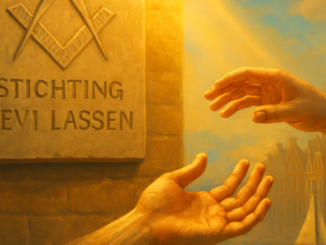
The Levi Lassen Foundation symbolizing Masonic philanthropy and social justice
Freemasonry & Society

The Levi Lassen Foundation and Freemasonry: A Bond of Justice

Freemasonry in the Netherlands has a long and rich tradition of supporting philanthropic causes. Among the most notable examples is the Levi Lassen Foundation — an organization dedicated to advancing social justice and uplifting communities in need. The foundation stands as a powerful testament to the core ideals of the Craft: brotherhood, solidarity, and the pursuit of universal justice. The Origins of the Levi Lassen Foundation The Levi Lassen Foundation was established with a clear mission: to support vulnerable communities and promote social equality. Freemasonry played a central role in its creation — not only through financial backing, but also by providing a philosophical framework. The belief that every human being deserves opportunity and dignity lies at the heart of both the foundation’s goals and Masonic values. The founder, Louis Levi Lassen, was a philanthropist with deep ties to the Craft. His commitment to justice and community building reflected the Masonic conviction that improving society is a shared responsibility — one that extends far beyond the walls of the lodge. The Philosophy Behind the Foundation Freemasons have long held the belief that social inequality must be actively confronted. This conviction is clearly visible in the work of the Levi Lassen […]