Explore conscious living through Masonic principles, ethics, and personal development. Discover how intentional choices and responsibility shape character and spiritual growth.
Personal Development & Leadership
Alcohol-Free Beer and Character: What Conscious Choices Say
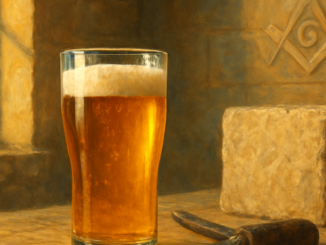
Picture the scene: you’re standing at the bar during a party and you order an alcohol-free beer. There might be a flicker of hesitation, a brief moment of self-consciousness. What will the others think? It’s a small gesture, but it touches on something much larger. The remarkable shift in drinking habits — with more and more people choosing alcohol-free alternatives — tells us something profound about how we shape our personality through the choices we make. A Quiet Revolution in the Glass You’ve probably noticed it yourself: the shelf space for alcohol-free beer keeps expanding while the traditional beer section shrinks. Breweries report declining sales for their alcoholic varieties, while their non-alcoholic versions break revenue records. This is more than a passing trend or a marketing gimmick. It’s a visible expression of shifting values — of people thinking more deliberately about what they consume and why. Maybe you regularly drink alcohol-free beer yourself, or you know someone who does. The reasons are as diverse as the people who make the choice: health, mental clarity, athletic performance, pregnancy, religious conviction, or simply wanting to wake up fresh the next morning. What all these reasons share is that they emerge from a […]