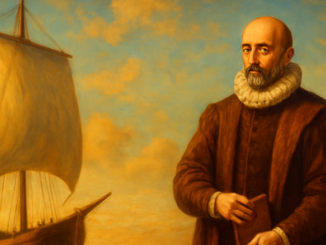
Montaigne on Virtue Preaching: Philosophical Roots & Context
We have all experienced it: someone delivers a passionate speech about honesty or integrity, and yet something feels off. The words are right, but the speaker fails to convince. Michel de Montaigne wrote about this very phenomenon in the sixteenth century. In his brief but incisive essay on how the preaching of virtue can itself become a vice, he dissected the gap between words and deeds. But where did these insights come from? Which philosophers and intellectual traditions shaped his thinking? This article traces the sources behind this essay and shows how their wisdom remains strikingly practical today. The Stoic Legacy: Seneca as Teacher Montaigne read the Roman philosopher Seneca with extraordinary care. In Seneca’s letters to Lucilius, he found a recurring theme: the dangers of hollow rhetoric. Seneca warned that philosophers who speak beautiful words without living by them ultimately discredit philosophy itself. For Seneca, philosophy was never an academic exercise — it was a daily practice of self-improvement. This Stoic emphasis on congruence — between inner conviction and outward action, between belief and behaviour — resonated deeply with Montaigne. In his own era, he observed how preachers and moralists lost themselves in theatrical performances about virtue while their […]