Explore justice in Freemasonry through biblical prophets and masonic principles. Discover how Freemasonry emphasizes moral virtue and righteous action.
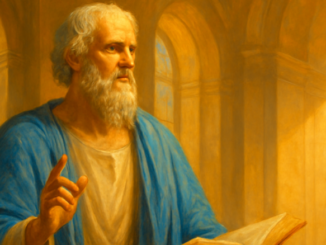
Plato – Freemasonry & Connection
Plato’s Republic and Justice: A Masonic Dialogue
What is justice, really? Plato poses this question in the opening book of his masterwork The Republic, and it has echoed through the centuries with undiminished force. What makes this question especially compelling for Freemasons is that it lies at the very heart of their Craft. When a Brother enters the lodge, he embarks on a quest for truth and virtue — for right action in a complex world. Plato’s ancient inquiry and the Masonic tradition share far more common ground than one might expect at first glance. Why Does Plato Begin With a Conversation About Justice? The first book of The Republic takes place in the house of Cephalus, a wealthy old man who enters into conversation with Socrates. The setting may seem incidental, but nothing in Plato is accidental. He deliberately chooses a dialogue — a conversation among people with different backgrounds and perspectives. Socrates does not arrive to deliver answers; he comes to think together with others. This method of collectively seeking truth is precisely what Freemasons strive for in their meetings: not to claim wisdom, but to discover it together. Cephalus suggests that justice simply means speaking the truth and repaying your debts. Socrates challenges this […]