
Ancient letter symbolizing truth and brotherhood in Freemasonry
Christianity

The Second Epistle of John: Truth and Brotherhood

Sometime around 90 AD, an elder in Asia Minor wrote a letter of just thirteen verses to a community he loved. This Second Epistle of John — the shortest book in the New Testament — contains no grand theological treatises, but something far more fundamental: a call to truth and mutual love in a time of confusion. For anyone who reflects on the nature of brotherhood and the safeguarding of spiritual values, this compact document offers surprisingly rich insights. A Letter to the Chosen Lady The letter opens with a cryptic address: the elder writes to “the chosen lady and her children.” Biblical scholars have debated for centuries whether this refers to a specific woman or serves as a metaphor for a Christian congregation. The ambiguity is telling. In the early Christian world, the community itself was a living organism — a body that required protection and nourishment. The letter does not speak to individuals in isolation, but to people bound together by shared conviction. Historically, this epistle emerged during a period of considerable turmoil. Itinerant teachers spread divergent interpretations of the Christian faith, and congregations had to learn to distinguish authentic messengers from deceivers. The letter explicitly warns against […]
Open book of Montaigne's Essays with Masonic square and compasses symbol
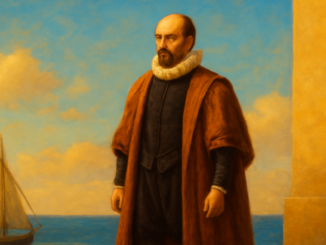
Michel de Montaigne – Freemasonry & Connection

Montaigne on Liars: Truth as the Foundation of Brotherhood

What does it truly mean to lie? And why does that question cut so deeply into the foundations of human connection? In his ninth essay from the first book of The Essays, Michel de Montaigne examines the phenomenon of lying with a sharpness that still resonates four centuries later. His observations touch unexpectedly on the very heart of what Freemasons strive for: a brotherhood built on trust, honesty, and the tireless pursuit of truth. The Paradox of Memory Montaigne opens his essay with a remarkable confession: he possesses an exceptionally poor memory. This personal shortcoming, he reasons, has actually shielded him from the temptation to lie. For anyone who lies, the philosopher argues, must possess an excellent memory. The liar must remember what he has fabricated, to whom he has told which story, and how all the loose threads must remain woven together. Here we encounter a curious paradox. Memory — typically regarded as a virtuous instrument for preserving knowledge — becomes a tool of deception when placed in the service of the lie. Truth, by contrast, requires no construction, no maintenance, no constant vigilance. It simply exists. This observation casts new light on the Masonic idea that truth is […]