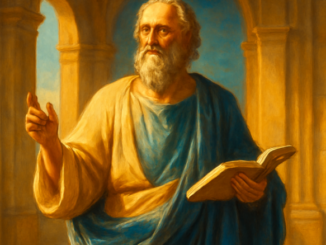
Plato’s Meno: Philosophical Roots of Virtue and Knowledge
Can virtue be taught, or does every person already carry it within? This question, posed by Meno to Socrates in one of Plato’s most celebrated dialogues, touches on fundamental issues that still resonate today. The Meno offers not only a philosophical investigation into the nature of knowledge and morality but also opens a window into the intellectual world in which Plato wrote. For Freemasons, this dialogue strikes a particularly familiar chord: the quest for inner illumination, the role of symbols in unveiling hidden wisdom, and the conviction that true knowledge does not come from without but is awakened from within. The World of Plato: Athens and the Sophists To understand the Meno, we first need to step into the intellectual arena in which Plato operated. Fifth-century Athens was buzzing with philosophical activity. Sophists like Gorgias and Protagoras traveled the Greek world, teaching rhetoric, political skills, and what they called “virtue” to wealthy young men. Their approach was pragmatic: virtue, in their view, was a skill that could be learned, much like writing or arithmetic. Socrates, Plato’s teacher, took a radically different stance. Where the Sophists confidently claimed to sell wisdom, Socrates began every conversation by acknowledging his own ignorance. This […]