Explore the Masonic Legacy through influential Freemasons, their artistic contributions, and historical impact on society and culture worldwide.
Culture & Media
Famous Freemasons and Their Artistic Legacy Worldwide
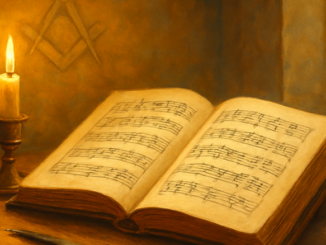
Have you ever wondered why certain works of art move you so deeply? A symphony that sends shivers down your spine. A building that stops you in your tracks. An opera in which light and darkness engage in an unmistakable dance. Behind many of these masterpieces stand famous Freemasons worldwide — creators who wove their inner quest for truth into the very fabric of their art. Their work is more than aesthetics. It is an invitation to look, to feel, and to discover something within yourself. Famous Freemasons Worldwide in Music Consider the great composers of the eighteenth and nineteenth centuries. Many of them were members of a Masonic lodge. Their music was no random arrangement of notes — it was a deliberate attempt to make harmony audible. The Viennese composer who wrote The Magic Flute filled his opera with initiation rituals, with the tension between light and darkness, and with the journey from ignorance to wisdom. Every aria is a step along that path. What these composers had in common was their belief that music is far more than entertainment. They saw sound as a building block for an inner temple. Just as a lodge works toward the betterment […]