Explore the principles of masonic ethics and moral philosophy within Freemasonry. Discover wisdom on conduct, negotiation, and the relationship between Freemasonry and religion.
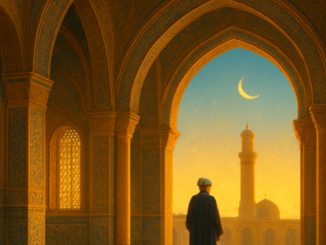
Islam
The Chambers: Lessons on Brotherhood from Surah 49
What does it truly mean to belong to a community? This question rises to the surface when you open the forty-ninth chapter of the Quran. Known as Al-Hujurat — The Chambers — this surah says nothing about great battles or sweeping prophetic visions. Instead, it addresses something far more immediate: how people treat one another. For Freemasons, who regard brotherhood as the very foundation of their work, this ancient text holds up some remarkably familiar mirrors. Why Is This Chapter Called The Chambers? The name refers to the private quarters of the Prophet Muhammad. According to tradition, some Bedouin visitors would come to his rooms shouting impatiently, without any regard for courtesy or privacy. The surah counsels patience and respect: wait until someone comes out to meet you; do not yell through walls. It may seem like a small detail, but it touches something fundamental. The threshold of someone’s private space is sacred. We build walls not only from stone but also from trust. Freemasons understand this principle intuitively. The lodge is a closed space where brethren gather, shielded from the outside world — not out of secrecy, but because certain conversations flourish only in privacy. The Chambers reminds us […]