Explore how integrity shapes Freemasonry through articles on trust, character, and impartial judgment in this ancient fraternal tradition.
Personal Development & Leadership
Trust and Character: What a Lawsuit Teaches Us
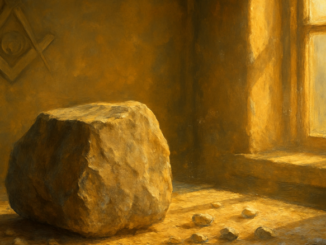
You may have seen it in the news: a major technology company is taking former employees to court for allegedly stealing trade secrets and handing them to a competitor. On the surface, it sounds like a corporate dispute with little relevance to everyday life. But look a little closer, and this story touches on something universal — the question of who you are when no one is watching, the weight of your word, and the building blocks of your character. When Trust Is Broken Imagine spending years working on complex projects, gaining access to your employer’s most sensitive information, and then one day deciding to move on. What do you take with you? Your experience, your skills, your memories — certainly. But where is the line between what belongs to you and what was entrusted to you? That question now sits at the heart of a lawsuit captivating the technology world. The case is not merely about the legal definitions of intellectual property. It is about the invisible agreements we make when someone places their trust in us. It is about whether our word still means something after we close a door behind us. The Rough Ashlar as a Mirror […]