Explore the enduring impact of Freemasonry and legacy through thoughtful reflections on history, leadership, and the traditions that shape our future.
History
When Time Catches Up: Lessons From Vanished Worlds
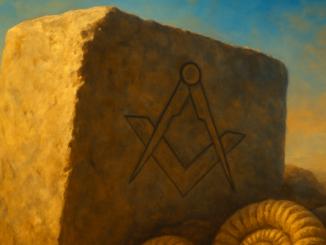
A lodge painter sets down his brush and stares at the canvas. He has just learned that an actor has died — someone who once played a paleontologist surrounded by prehistoric creatures. How strange, he thinks, that certain people remind us of forgotten ages, of what once was and will never return. In the silence of his studio, a question lingers: what remains when the last echo of a voice fades away? The Echo of Extinct Worlds There is something deeply fascinating about stories of extinct creatures. When we immerse ourselves in prehistoric times, we realize just how brief our human existence truly is. Millions of years passed before the first humans ever set foot on this earth. And yet, generation after generation, we strive to leave behind something that outlasts us. This longing for a legacy that defies time touches the very heart of what Freemasons have contemplated for centuries. Freemasonry has always maintained a special relationship with the past. Lodges preserve traditions stretching back to the medieval stonemasons’ guilds — and perhaps even further. Not because the past was better, but because there is wisdom in continuity. Every Freemason who enters a lodge joins a chain of brothers […]