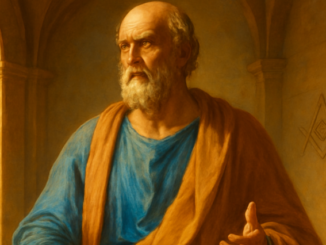
Seneca Letter 98: True Wealth and the Stoic Path to Freedom
Picture a man in a simple toga, seated in the evening shadow of a Roman courtyard. While senators around him flaunt their estates and retinues of slaves, he picks up a wax tablet and writes to a friend that all such splendor is as fleeting as morning mist. That man is Lucius Annaeus Seneca, and what he commits to writing in his ninety-eighth letter to Lucilius touches on a question that still occupies many minds today: what is true wealth, and how do we distinguish it from mere appearance? The Heart of the Letter: Possessions as Illusion In Letter 98, Seneca addresses his student Lucilius with a direct message: material possessions offer no real security. He argues that most people anchor their happiness to what they own, while all of those things can be taken from them at any moment. Money, land, and luxury are gifts of fortune — and fortune is, by definition, unreliable. The Stoic philosopher urges Lucilius not to cling to what lies beyond his control, but instead to cultivate his inner faculties. There, in virtue and wisdom, lies the only wealth that no one can steal. Seneca draws a sharp distinction between using possessions and serving […]