The Dry Rhine and What Freemasonry Teaches About Temperance
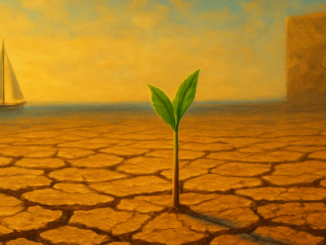
You may have seen the images: shipwrecks suddenly exposed on the riverbed, barren banks where water once flowed freely, and the mighty Rhine — Europe’s great artery — reduced in places to little more than a stream. Water levels dropped to historic lows. While meteorologists and economists debated the consequences, a different question lingered beneath the surface: what does a dried-up river reveal about ourselves? And what can an ancient fraternity like Freemasonry teach us about the deeper meaning of this crisis? A River as a Mirror of Society The Rhine is far more than a waterway. Since Roman times, it has served as the backbone of trade, culture, and community across Western Europe. Poets like Goethe described the river as a symbol of continuity and life itself. When such an essential flow literally runs dry, it transcends logistics problems for shipping or water shortages for industry. You could say that the condition of a river reveals something about the condition of the civilization that depends on it. How do we treat what has been given to us? Do we take more than we return? These questions may sound abstract, but they touch on something fundamental. Freemasonry has engaged with […]