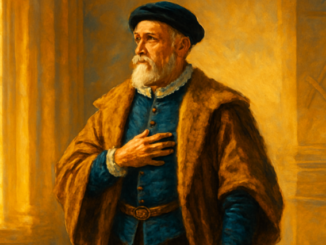
Explore conscience in Freemasonry through philosophical and spiritual perspectives. Discover how duty, brotherhood, and inner wisdom shape Masonic teachings and practice.
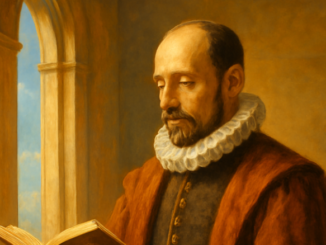
Michel de Montaigne – Freemasonry & Connection
Montaigne and Freemasonry: Two Paths Toward Conscience
When Michel de Montaigne wrote about conscience in the sixteenth century, he did so as a solitary thinker perched in his tower in the Dordogne. When a Freemason reflects on the same theme, he does so surrounded by brethren, in a ritual space rich with meaning. One seeks truth in solitude, the other in fellowship. Yet their paths intersect at surprising points. How do these two traditions relate when it comes to the deepest moral questions we can ask? The Solitary Thinker: Montaigne’s Conscience as an Inner Compass Michel de Montaigne wrote his essay “Of Conscience” during a period of religious wars, betrayal, and widespread public distrust. In Book 2, Essay 5, he examines how conscience functions as an inner judge. His central observation is as sharp as it is timeless: feelings of guilt betray a person even when no external evidence exists. Conscience speaks when the outside world remains silent. Montaigne describes how suspects under pressure confess not because the evidence against them is overwhelming, but because their own inner voice gives them away. For Montaigne, conscience is not a product of law or religion but of human nature itself. He draws on classical thinkers like Aristotle and stories […]